AP Environmental Science (APES) Unit 2: Biodiversity ⎯ Study Guide Plan

This unit explores life’s variety, covering genetic, species, and habitat diversity, alongside ecosystem services, island biogeography, and ecological succession principles.
Unit 2 of AP Environmental Science delves into the crucial concept of biodiversity – the incredible variety of life on Earth and why that variation fundamentally matters. This foundational unit establishes that biodiversity isn’t merely about counting species; it’s about understanding the interconnectedness of all living things and the essential roles they play in maintaining healthy ecosystems.
Students will explore how biodiversity manifests at different levels – genetic, species, and habitat – and how these levels interact. The unit emphasizes the practical implications of biodiversity loss, focusing on the vital ecosystem services that humans rely upon for survival. Preparation for the upcoming group test is key, and this unit serves as a building block for understanding complex ecological relationships.
Levels of Biodiversity
Biodiversity isn’t a single concept, but rather exists on multiple interconnected levels. Genetic diversity, the raw material of evolution, refers to the variation in genes within a species – crucial for adaptation. Species diversity encompasses the variety of different species within a given ecosystem, impacting its resilience. Finally, habitat diversity considers the range of different habitats, each supporting unique communities.
Understanding these levels is vital because they all contribute to overall ecosystem health. A loss at any level can have cascading effects. For example, reduced genetic diversity can limit a species’ ability to adapt to changing conditions, while habitat loss directly reduces species richness. Studying these levels provides a framework for conservation efforts.
Genetic Diversity
Genetic diversity represents the total number of genetic characteristics within a species. It’s the foundation for a species’ ability to adapt to changing environmental conditions, like new diseases or climate shifts. Greater genetic variation means a higher probability that some individuals will possess traits enabling survival and reproduction.
Low genetic diversity, often seen in endangered species or those that have experienced bottlenecks, makes populations vulnerable. This can lead to inbreeding depression, reducing fitness and increasing susceptibility to extinction. Conservation strategies often focus on maintaining or restoring genetic diversity through captive breeding programs and habitat preservation, ensuring long-term species viability.
Species Diversity
Species diversity refers to the variety of species within a specific region or ecosystem. It’s often measured using indices that consider both the number of species (species richness) and their relative abundance (species evenness). A higher species diversity generally indicates a healthier, more resilient ecosystem.

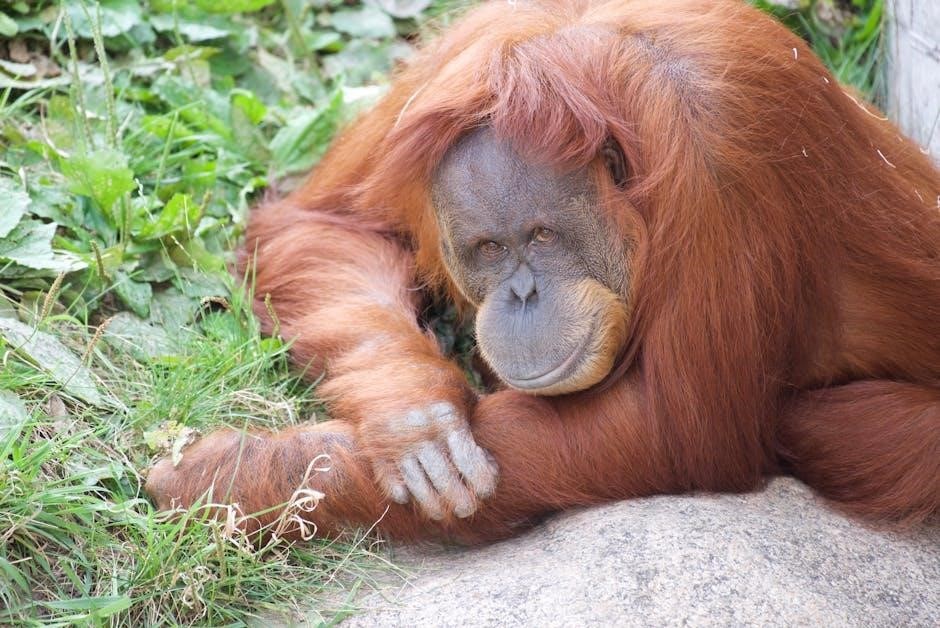
Apes, for example, showcase significant species diversity within the primate order, encompassing great apes like gorillas, chimpanzees, and orangutans, alongside lesser apes such as gibbons and siamangs. Losing even a single ape species can disrupt intricate ecological relationships. Conservation efforts prioritize protecting habitats to maintain this crucial species diversity, recognizing its importance for ecosystem function and stability.
Habitat Diversity
Habitat diversity encompasses the range of different habitats within a given area. This includes variations in vegetation types, elevation, soil composition, and water availability. Greater habitat diversity typically supports a wider array of species, contributing to overall biodiversity.
Apes demonstrate a remarkable adaptation to diverse habitats. Gorillas inhabit African forests, orangutans thrive in Asian rainforests, and chimpanzees occupy varied woodland and savanna environments. Protecting these varied habitats – from dense jungles to fragmented forests – is vital for ape survival. Habitat loss, driven by deforestation and human encroachment, poses a significant threat, highlighting the importance of conservation strategies focused on preserving habitat diversity.
Importance of Biodiversity: Ecosystem Services
Biodiversity underpins essential ecosystem services, benefits humans derive from the natural environment. These services are categorized into provisioning (food, water), regulating (climate regulation, disease control), supporting (nutrient cycles, soil formation), and cultural (recreation, aesthetic value).
Apes play a crucial role in maintaining these services. As seed dispersers, they contribute to forest regeneration (provisioning & supporting). Their presence indicates forest health, aiding climate regulation (regulating). Observing apes provides ecotourism opportunities (cultural). Protecting ape populations and their habitats safeguards these vital ecosystem services, benefiting both the environment and human well-being. Recognizing this interconnectedness is key to sustainable conservation efforts.
Provisioning Services
Provisioning services are the tangible products obtained from ecosystems. These include food, fresh water, timber, fiber, and genetic resources. While apes aren’t directly harvested for these resources, their actions significantly contribute to their availability.
Apes, particularly great apes, are vital seed dispersers, promoting forest regeneration and ensuring continued timber and fruit production. Healthy forests, maintained by ape activity, provide clean water sources. Furthermore, the genetic diversity within ape populations represents a valuable, though currently untapped, resource for potential medical or scientific advancements. Protecting apes indirectly safeguards these essential provisioning services, highlighting their importance to human livelihoods and well-being.
Regulating Services
Regulating services encompass the benefits obtained from ecosystem regulation of natural processes. Apes play a crucial role in maintaining these services, particularly within forest ecosystems. Their foraging and seed dispersal activities contribute to carbon sequestration, mitigating climate change impacts.
By controlling insect populations and maintaining forest structure, apes help regulate disease outbreaks and prevent soil erosion. Healthy forests, supported by ape presence, also regulate water cycles, reducing flood risks and ensuring consistent water availability. Protecting ape habitats is therefore essential for preserving these vital regulating services, which are fundamental to ecosystem stability and human welfare. Their existence directly impacts environmental health.
Supporting Services
Supporting services are the fundamental ecological processes that underpin all other ecosystem services. Apes significantly contribute to these, notably nutrient cycling and soil formation within their forest habitats. Their waste products and decomposition of organic matter enrich the soil, fostering plant growth and overall ecosystem productivity.

Furthermore, apes are vital for primary production through seed dispersal, aiding in forest regeneration and maintaining plant diversity. This, in turn, supports pollination and provides habitat for countless other species. Apes’ role in these foundational processes is often overlooked, yet it’s critical for the long-term health and resilience of ecosystems, ensuring continued provision of all other essential services.
Cultural Services
Apes hold immense cultural significance for many communities, providing inspiration for art, folklore, and religious beliefs. Ecotourism centered around observing apes in their natural habitats generates economic benefits for local populations, fostering conservation efforts and sustainable livelihoods.
The intrinsic value of apes – their intelligence, social complexity, and close evolutionary relationship to humans – contributes to their appeal and inspires scientific curiosity. Their presence enriches recreational experiences, offering opportunities for education and appreciation of biodiversity. Protecting apes safeguards not only their species but also the cultural heritage and economic well-being of communities connected to their existence, promoting a sense of place and environmental stewardship.
Island Biogeography

Island biogeography explores how species richness varies based on island size and distance from the mainland. Larger islands generally support more species due to greater habitat diversity and reduced extinction rates, while closer proximity facilitates colonization.
This theory helps understand biodiversity patterns, predicting species numbers based on immigration and extinction rates. It’s crucial for conservation, informing strategies for protecting isolated habitats like islands or fragmented forests. Understanding these dynamics is vital for managing vulnerable populations and preserving biodiversity in the face of habitat loss and climate change, influencing species distribution and evolutionary processes.
Factors Affecting Species Richness on Islands
Several key factors influence the number of species found on islands. Island size is paramount; larger areas offer more diverse habitats and support larger populations, reducing extinction risk. Distance from the mainland impacts colonization rates – closer islands receive more frequent immigrants.
Habitat diversity within the island itself plays a role, as does the island’s age, with older islands having had more time for species to colonize and evolve. Elevation and climate also contribute, creating varied niches. These interacting factors determine the equilibrium between immigration and extinction, shaping the island’s unique biodiversity.
Equilibrium Theory of Island Biogeography
The Equilibrium Theory, proposed by MacArthur and Wilson, explains island species richness. It posits that the number of species on an island reaches a dynamic equilibrium point where immigration rates equal extinction rates. Immigration rates decrease as species richness increases, as fewer new species remain to colonize.
Conversely, extinction rates increase with species richness due to heightened competition. This balance isn’t static; disturbances can shift the equilibrium. Island size and distance from the mainland heavily influence these rates, impacting the final species count. The theory helps predict biodiversity patterns and informs conservation efforts.

Ecological Tolerance & Adaptations
Ecological tolerance defines the range of conditions an organism can endure and still survive and reproduce. This range varies for each species and environmental factor – temperature, light, pH, etc. Beyond these limits, stress occurs, impacting growth, reproduction, and potentially leading to mortality.
Adaptations are traits evolving through natural selection, enhancing survival and reproduction. Morphological adaptations involve physical structures (e.g., fur for insulation). Physiological adaptations relate to internal processes (e.g., venom production). Behavioral adaptations are actions organisms take (e.g., migration). These adaptations demonstrate how species cope with environmental challenges.
Range of Tolerance
The range of tolerance represents the limits within which an organism can survive and thrive, encompassing physical and chemical environmental factors. Each species possesses unique tolerance levels for variables like temperature, humidity, salinity, and sunlight.

Organisms function optimally within a specific zone, experiencing stress at the extremes. Below and above this zone, survival becomes increasingly difficult, potentially leading to decreased reproduction or death. Understanding this range is crucial for predicting species distribution and vulnerability to environmental change. Factors like acclimation can temporarily alter tolerance, but genetic limitations exist.
Types of Adaptations (Morphological, Physiological, Behavioral)
Adaptations are traits enhancing survival and reproduction, categorized into morphological, physiological, and behavioral types. Morphological adaptations involve physical structures – think of a gorilla’s robust build for strength. Physiological adaptations concern internal processes, like an orangutan’s digestive system for fruit consumption.
Behavioral adaptations relate to actions, such as chimpanzees using tools for foraging or complex social structures for protection. These adaptations aren’t random; they arise through natural selection, favoring traits that increase fitness. Apes demonstrate a remarkable range of these, reflecting their diverse habitats and lifestyles, allowing them to thrive.
Natural Disruptions & Ecological Succession
Natural disruptions, like fires, floods, and volcanic eruptions, dramatically alter ecosystems, initiating ecological succession. These events create opportunities for new communities to establish themselves over time. Primary succession begins in lifeless areas – newly formed volcanic rock, for example – where soil is absent, requiring pioneer species.
Secondary succession occurs in areas where a community existed previously, but was disturbed, like a forest after a fire. Ape habitats are susceptible to these disruptions; forest fires can reshape their environments, influencing food availability and shelter. Succession demonstrates ecosystems’ resilience and capacity for renewal, shaping biodiversity patterns.

Types of Natural Disruptions (Fire, Floods, Volcanic Eruptions)
Natural disruptions are pivotal in shaping ecosystems, with fire, floods, and volcanic eruptions being prominent examples. Fires, whether caused by lightning or other sources, can rapidly alter forest structures, impacting ape habitats by destroying food sources and shelter. Floods, resulting from excessive rainfall or river overflows, reshape landscapes and displace species.
Volcanic eruptions introduce ash and lava, drastically altering landforms and potentially creating new habitats, though initially inhospitable. These events influence ape populations by altering resource availability and forcing adaptations. Understanding these disruptions is crucial for comprehending ecological resilience and succession processes.
Primary Succession
Primary succession begins in essentially lifeless areas, where no soil exists – think newly formed volcanic islands or exposed rock after glacial retreat. This process is incredibly slow, as pioneer species like lichens and mosses gradually break down rock to create initial soil. These hardy organisms pave the way for simple plants, then grasses, shrubs, and eventually, forests.
For apes, primary succession represents the very long-term creation of potential habitat. It’s a process spanning centuries, even millennia, before a forest capable of supporting ape life fully develops. The establishment of a stable ecosystem is vital, offering food, shelter, and breeding grounds for these complex primates.
Secondary Succession
Secondary succession occurs after a disturbance in an area that already has soil, like a forest fire, flood, or abandoned farmland. Because soil is present, this process is much faster than primary succession. Existing vegetation may resprout, and seeds in the soil germinate, leading to rapid regrowth.
For apes, secondary succession is particularly relevant as their habitats are often impacted by disturbances. A forest recovering from logging or a natural disaster can quickly provide resources for apes, though the initial composition may differ. This resilience highlights the importance of maintaining connected landscapes to facilitate recolonization and support ape populations during recovery.
Ape Classification & Types
Apes belong to the superfamily Hominoidea, a group of primates closely related to humans. They are broadly categorized into ‘great apes’ and ‘lesser apes’. Great apes include gorillas, chimpanzees, orangutans, bonobos, and humans, known for their larger size and complex cognitive abilities.
Lesser apes consist of gibbons and siamangs, characterized by their smaller stature and specialized brachiation (arm-swinging) locomotion. Understanding this classification is crucial for conservation efforts, as each species faces unique threats. There are 26 different types of apes, with 8 being great apes and 16 being lesser apes, each playing a vital role in their respective ecosystems.
Great Apes (Gorillas, Chimpanzees, Orangutans, Bonobos, Humans)
Great apes – gorillas, chimpanzees, orangutans, bonobos, and humans – are distinguished by their intelligence, complex social structures, and relatively large body sizes. Gorillas, the largest primates, inhabit African forests, while orangutans are found in the rainforests of Borneo and Sumatra.

Chimpanzees and bonobos, also African natives, exhibit remarkable tool use and social behaviors. Humans, uniquely, demonstrate advanced cognitive abilities and cultural development. These species are deeply social, forming strong family bonds and exhibiting intricate communication methods. Studying great apes provides insights into our own evolutionary history and highlights the importance of primate conservation.
Lesser Apes (Gibbons & Siamangs)
Lesser apes, encompassing gibbons and siamangs, are known for their remarkable agility and unique form of locomotion – brachiation, swinging through trees using their arms. These smaller primates inhabit the rainforests of Southeast Asia, displaying arboreal lifestyles and complex vocalizations.
Gibbons are characterized by their long arms and distinct territorial songs, while siamangs are larger and possess a gular sac used for resonating calls. Both groups live in monogamous pairs with their offspring, exhibiting strong pair bonds and cooperative territorial defense. Their conservation is crucial, facing threats from habitat loss and fragmentation within their limited geographical range.