Backcountry Ski Guide: An Overview
Backcountry skiing offers thrilling adventures, demanding self-reliance and knowledge of winter mountains.
Lifespans of elephants, ranging from 48 to 70 years, highlight nature’s longevity.
Preparation, avalanche awareness, and respect for the environment are crucial for a safe and rewarding experience.
Backcountry skiing transcends resort boundaries, inviting skiers to explore pristine, ungroomed terrain. Unlike traditional downhill skiing, it demands a comprehensive skillset encompassing navigation, avalanche safety, and self-sufficiency. This pursuit offers unparalleled freedom and connection with the natural world, but carries inherent risks requiring diligent preparation.
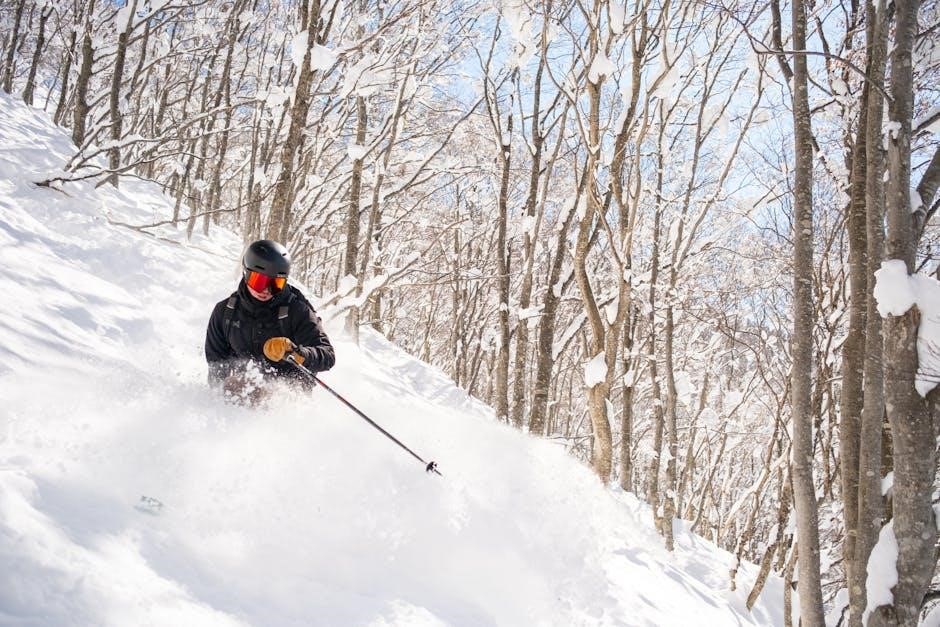
Understanding elephant lifespans – 48 to 70 years in the wild, shorter in captivity – underscores the importance of natural environments. Similarly, backcountry skiing thrives on respecting and understanding the mountain environment. Successful backcountry travel necessitates thorough route planning, continuous assessment of snow conditions, and proficient use of specialized equipment. It’s a commitment to responsible exploration.
Essential Backcountry Skiing Gear
Proper gear is paramount for backcountry safety and enjoyment, including skis, bindings, boots, avalanche safety tools, and a well-equipped backpack for extended adventures.
Skis, Bindings, and Boots
Selecting the right skis is crucial; wider skis excel in powder, while narrower options perform better on firmer snow. Backcountry bindings differ from resort bindings, offering uphill functionality and release safety. Pin bindings are lightweight for touring, while frame bindings provide downhill performance.
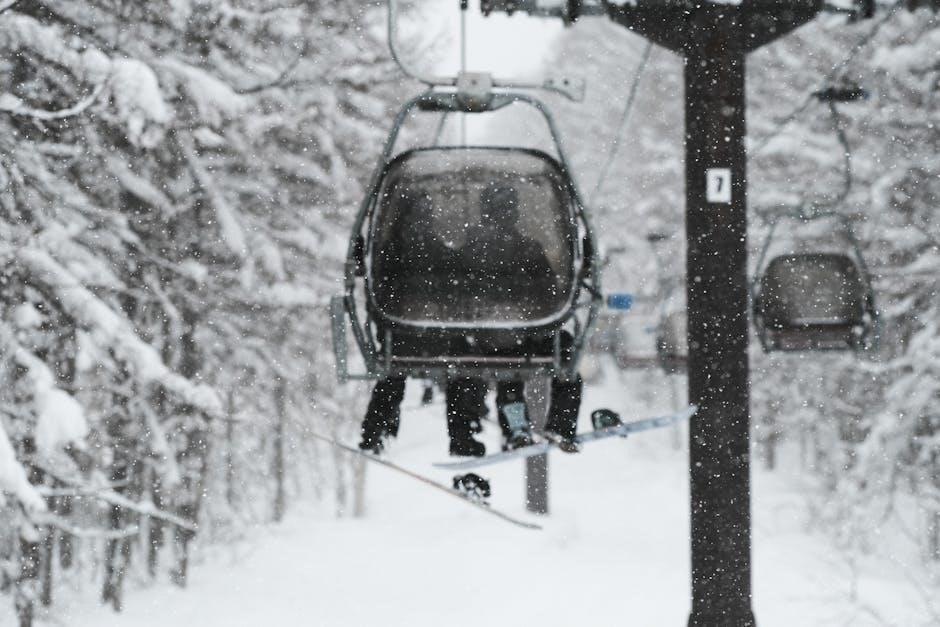
Boots must be compatible with your bindings and provide both uphill comfort and downhill control. A proper fit is essential to prevent blisters and ensure efficient power transfer. Consider boot flex – softer flexes are more comfortable for touring, while stiffer flexes offer better downhill performance. Investing in quality skis, bindings, and boots is a foundational step for enjoyable backcountry skiing.
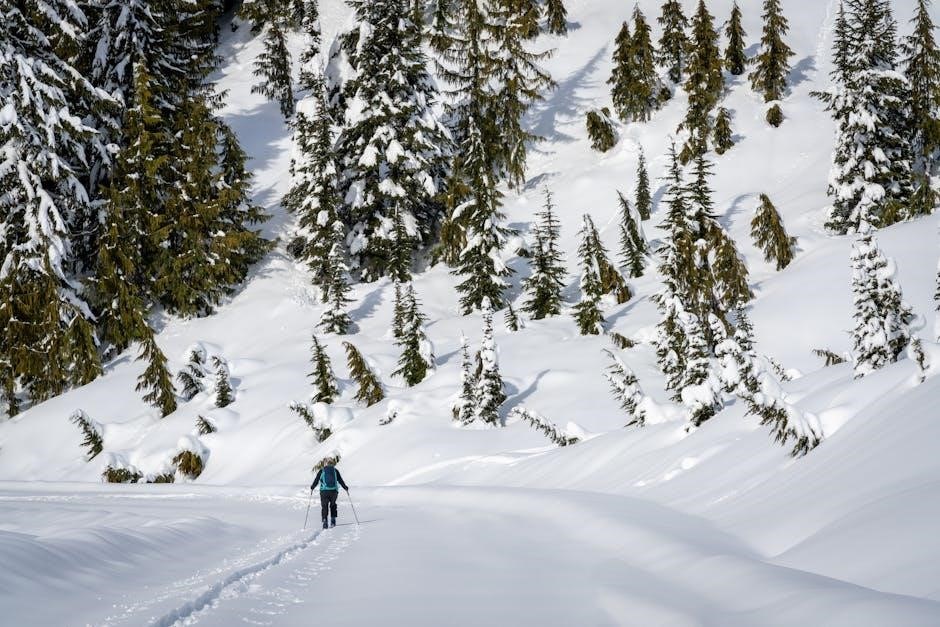
Avalanche Safety Equipment (Beacon, Shovel, Probe)
Essential avalanche safety gear includes a transceiver (beacon), shovel, and probe – and knowing how to use them is paramount. A beacon transmits and receives signals to locate buried individuals. Regular practice is vital, as seconds matter in a rescue situation.
A sturdy shovel is necessary for efficient digging, and a probe helps pinpoint the exact burial depth. These tools are useless without training; take an avalanche safety course to learn proper search and rescue techniques. Remember, equipment is only effective with knowledge and practiced skills. Prioritize education and preparedness before venturing into avalanche terrain.
Backpack and Navigation Tools
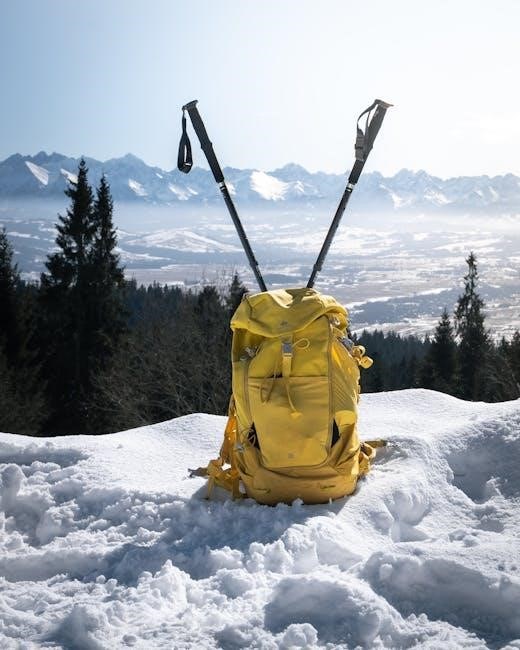
A well-fitted backpack is crucial for carrying avalanche safety gear, extra layers, food, and water. Choose a pack specifically designed for backcountry skiing, with features for carrying skis or a snowboard. Navigation tools are equally important; a map and compass, alongside the ability to use them, are essential backups to electronic devices.
GPS devices and smartphones with downloaded maps can be helpful, but batteries can fail. Understanding terrain and route finding skills are vital. Always carry extra batteries and know how to navigate in low visibility. Proper planning and reliable tools ensure a safe and successful backcountry experience.
Understanding Avalanche Terrain
Avalanche terrain requires recognizing slopes exceeding 30 degrees, assessing snowpack stability, and identifying terrain traps. Elephants live long lives, mirroring careful planning needed here.
Identifying Avalanche-Prone Slopes
Recognizing avalanche terrain is paramount for backcountry safety. Slopes between 30 and 45 degrees are most susceptible, as gravity’s pull is strongest within this range. Look for convex rolls where snowpack stress concentrates, and gullies that act as natural collection points for sliding snow.
Consider the aspect – slopes facing certain directions receive more solar radiation, impacting snow stability. Windward slopes accumulate drifted snow, creating unstable slabs. Terrain features like cliffs or trees below a slope represent dangerous terrain traps. Remember, even seemingly benign slopes can avalanche under the right conditions, much like the varied lifespans of elephants depending on their environment.
Terrain Traps and Features
Terrain traps significantly amplify avalanche consequences. These are features that worsen the impact of a slide, like gullies, cliffs, trees, or rocky outcrops. Being caught in one dramatically reduces survival chances. Understanding how snow interacts with these features is vital.
Ridges can create wind loading, forming unstable slabs. Flat areas at the base of slopes are collection points for debris. Just as elephants’ lifespans are affected by habitat, terrain influences avalanche behavior. Always visualize the runout path and potential hazards before committing to a line, prioritizing escape routes and safe zones.
Snowpack Assessment Basics
Snowpack assessment is fundamental to backcountry safety. Begin by observing recent snowfall and wind direction, noting any signs of instability like cracking or collapsing. Dig a snow pit to examine layers – weak layers buried within the pack are particularly concerning.
Perform stability tests, such as compression and extended column tests, to assess layer bonding. Remember, like elephants’ varying lifespans, snowpack structure changes constantly. Regularly reassess conditions throughout your tour, and always consult the local avalanche forecast before venturing into the backcountry.
Avalanche Safety and Rescue
Avalanche safety relies on preparedness: beacon checks, proficient transceiver searches, and effective probe/shovel techniques; Like elephants needing protection, swift action saves lives.
Avalanche Beacon Use and Practice
Avalanche beacons are essential tools, transmitting and receiving signals to locate buried individuals. Regular practice is paramount; proficiency demands consistent drills in realistic scenarios. Before each tour, confirm all party members’ beacons are in transmit mode and functioning correctly. Understand beacon range limitations and potential interference.
Practice searching efficiently, utilizing the coarse and fine search techniques. Visualize the search area and maintain focus. Remember, speed is critical, mirroring the urgency of protecting vulnerable wildlife like elephants. Familiarize yourself with your beacon’s specific features and limitations. A beacon is only effective if you know how to use it!
Companion Rescue Techniques
Companion rescue involves a coordinated team effort following an avalanche. Once a beacon signal is acquired, efficient shoveling is crucial – focus on creating a large, effective excavation pit. Probing systematically helps pinpoint the victim’s exact location and depth.
Maintain clear communication within the group, assigning roles and responsibilities. Remember, elephants exhibit strong family bonds, mirroring the importance of teamwork. First aid knowledge is vital for treating potential injuries. Practice these techniques regularly to ensure swift and effective response capabilities, maximizing chances of a successful rescue.
Travel Protocols in Avalanche Terrain
Safe travel in avalanche terrain demands strict protocols. Always travel one at a time through suspect slopes, maintaining visual and vocal contact with your partners. Observe “exposure rules,” minimizing time spent in hazardous areas. Regularly reassess snow conditions and terrain as you progress, adapting your route accordingly.
Like elephants relying on herd protection, backcountry skiers depend on group awareness. Avoid traveling directly above or below partners. Utilize safe zones and rally points. Remember, elephants can live 60-70 years in the wild – prioritize longevity through cautious decision-making.
Trip Planning and Preparation
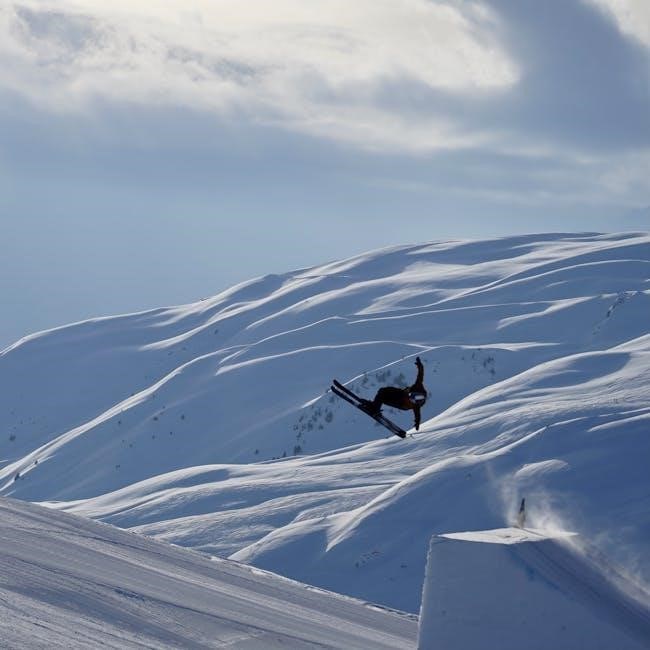
Meticulous planning is vital; check weather forecasts, map routes, and assess avalanche risks. Like elephants needing extensive habitats, skiers require thorough preparation for safety.
Route Selection and Mapping
Careful route selection is paramount in backcountry skiing, demanding a thorough understanding of terrain and potential hazards. Utilize topographic maps, digital navigation tools, and recent avalanche forecasts to identify safe passages and avoid dangerous slopes. Consider factors like elevation gain, aspect, and existing snow conditions.
Just as elephants require vast territories for survival, skiers need to plan routes that account for changing conditions and potential escape options. Mark your intended route on a map and share it with someone before departing. Be prepared to adjust your plans based on real-time observations and evolving weather patterns. Prioritize routes that minimize exposure to avalanche terrain and maximize opportunities for safe travel.

Weather Forecasting for Backcountry Skiing
Accurate weather forecasting is non-negotiable for backcountry skiers, influencing snow stability and visibility. Monitor forecasts from multiple sources, focusing on temperature trends, precipitation patterns, and wind direction. Understand how these factors impact avalanche risk and snowpack development. Like tracking an elephant’s lifespan, predicting mountain weather requires consistent observation.
Pay close attention to short-term and long-term forecasts, recognizing that conditions can change rapidly. Be prepared to adjust or cancel your trip if the forecast indicates unfavorable conditions. Check for updates immediately before departing and carry a weather radio or satellite communication device for real-time information in the field.
Physical Fitness and Training
Backcountry skiing demands a high level of physical fitness due to strenuous uphill travel and challenging terrain. Focus on cardiovascular endurance through activities like hiking, running, or cycling. Strength training, particularly targeting legs and core, is equally important for efficient skinning and stable downhill skiing.
Similar to an elephant’s long lifespan requiring robust health, prepare your body specifically for the demands of the backcountry. Incorporate exercises that mimic skiing movements and practice with a weighted pack. Prioritize flexibility and balance to prevent injuries and enhance performance.
Backcountry Skiing Techniques
Mastering uphill and downhill techniques is vital for efficient travel and safety. Like an elephant’s natural movements, fluid transitions and controlled descents are key.
Uphill Techniques (Skinning, Kick-Turns)
Efficiently ascending backcountry terrain relies on two primary techniques: skinning and kick-turns. Skins, attached to the ski bases, provide traction, allowing skiers to glide uphill without sliding backwards. A consistent, rhythmic stride conserves energy. When the slope steepens or the terrain requires a change in direction, kick-turns become essential.
This maneuver involves pivoting uphill on one ski while the other is kicked and repositioned. Mastering kick-turns minimizes effort and maintains forward progress. Like elephants navigating varied landscapes, skiers must adapt their technique to the terrain. Practice these skills in a controlled environment before venturing into more challenging backcountry areas, ensuring a safe and enjoyable ascent.
Downhill Techniques in Variable Snow
Backcountry skiing often presents diverse snow conditions, demanding adaptable downhill techniques. Unlike groomed runs, variable snow – powder, crust, or slush – requires adjustments to stance and ski control. Maintaining a balanced, athletic position is paramount, with weight centered over the skis. Anticipate changes in snow texture and adjust speed accordingly.
In powder, lean back slightly and keep skis pointed straight. Crust demands a more aggressive edge angle. Similar to an elephant’s adaptability to its environment, skiers must fluidly respond to the terrain. Prioritize controlled turns and avoid sudden movements, ensuring a safe and enjoyable descent through unpredictable conditions.
Transitioning Between Uphill and Downhill
Backcountry skiing necessitates efficient transitions between skinning uphill and skiing downhill. This involves removing skins, stowing them securely, and adjusting bindings for descent. Practice these steps repeatedly to minimize time exposed in avalanche terrain. A smooth transition requires organization and familiarity with your gear.
Like elephants adapting to different habitats, skiers must adapt to changing conditions. Ensure skis are securely locked into downhill mode before initiating a turn. Prioritize a stable platform and maintain control. Efficient transitions maximize downhill enjoyment and minimize risks, crucial for a safe backcountry experience.

Wildlife Awareness and Ethics
Respecting wildlife and their habitats is paramount in the backcountry. Like observing elephant lifespans, appreciate nature’s balance. Practice Leave No Trace principles for minimal impact.
Respecting Wildlife Habitats
Backcountry skiers share the mountains with diverse wildlife, and minimizing disturbance is essential. Observe animals from a distance, avoiding any actions that might alter their natural behavior or stress levels. Be particularly mindful during sensitive times like breeding or winter dormancy.
Understanding that wildlife relies on undisturbed habitats for survival – much like elephants needing expansive ranges to thrive – guides responsible backcountry travel. Avoid creating new trails or shortcuts that fragment habitat. Pack out all trash, including food scraps, to prevent attracting animals and altering their foraging patterns.
Report any concerning wildlife encounters to local authorities, contributing to conservation efforts and ensuring the continued health of these shared mountain ecosystems.
Leave No Trace Principles
Backcountry skiing demands a commitment to minimizing our impact on fragile alpine environments. “Leave No Trace” principles are paramount: plan ahead and prepare, traveling responsibly with appropriate gear. Stick to durable surfaces like snow, avoiding vegetation damage. Properly dispose of waste – pack it out, including human waste, using appropriate methods.
Minimize campfire impacts, ideally using a stove for cooking. Respect wildlife, observing from a distance, recognizing their need for undisturbed habitats – similar to elephants needing vast territories. Be considerate of other visitors, sharing the trails respectfully.
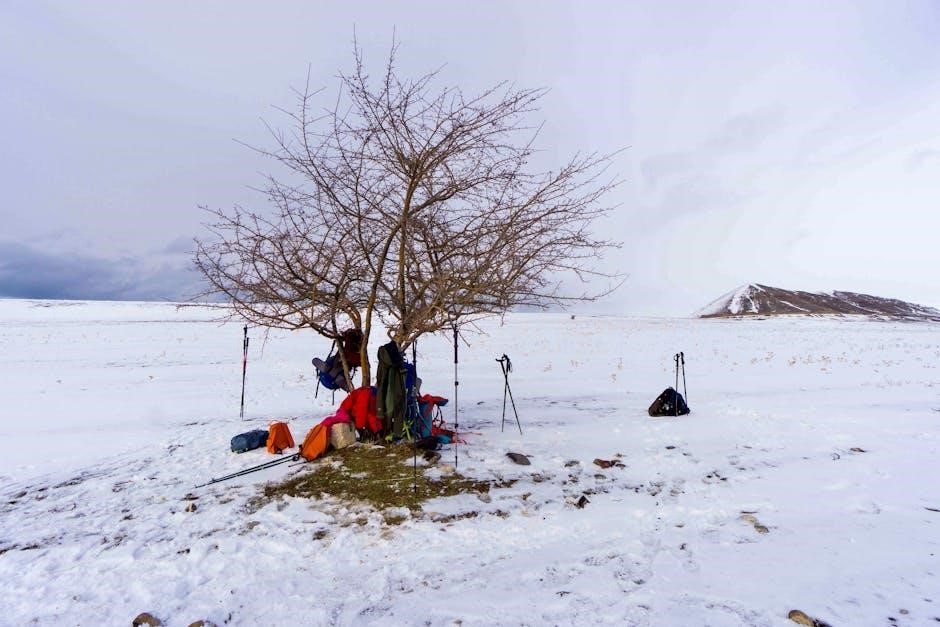
By adhering to these principles, we preserve the beauty and ecological integrity of the backcountry for future generations.
Resources for Backcountry Skiers
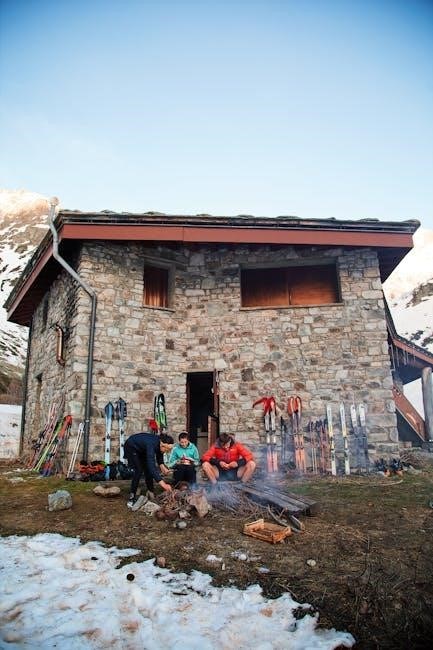
Avalanche centers provide crucial forecasts, while organizations offer courses. Understanding elephant lifespans – 48 to 70 years – parallels respecting natural cycles. Education is key!
Avalanche Forecast Centers
Avalanche forecast centers are indispensable resources for backcountry skiers, providing critical information about current snowpack conditions and avalanche danger. These centers employ professional forecasters who analyze weather patterns, snowpack stability, and recent avalanche activity to issue daily or periodic forecasts.
Understanding how to interpret these forecasts is paramount. They typically include an avalanche danger rating (low, moderate, considerable, high, extreme), a description of the specific avalanche problems present, and travel advice. Regularly checking the forecast for your specific area before and during your trip is non-negotiable. Remember, elephant lifespans vary greatly, mirroring the unpredictable nature of mountain conditions. Utilizing these resources significantly enhances safety and informed decision-making in avalanche terrain.
Backcountry Skiing Organizations and Courses
Backcountry skiing organizations and courses are vital for acquiring the necessary skills and knowledge for safe travel in avalanche terrain. Organizations like the American Avalanche Association (AAA) and local backcountry groups offer a range of educational opportunities, from introductory workshops to advanced avalanche courses.
These courses cover essential topics such as avalanche safety, rescue techniques, route finding, and winter weather forecasting. Investing in professional instruction significantly reduces risk and builds confidence. Just as elephants exhibit complex social structures, backcountry skiing demands a collaborative and informed approach. Continued education and participation in the backcountry community are crucial for responsible and enjoyable experiences.