Duramax Manual Transmission: A Comprehensive Overview (as of 02/09/2026)
Recent reports from 2023-2025 highlight 10-speed automatic transmission issues, including seal failures and valve body problems, impacting the overall reputation;
The Duramax diesel engine, renowned for its robust power and longevity, has a fascinating history intertwined with both automatic and manual transmission options. While the Allison automatic is widely celebrated, a dedicated following appreciates the control and engagement offered by a manual gearbox paired with the Duramax. This combination delivers a uniquely connected driving experience, appealing to enthusiasts who prioritize driver involvement.
Historically, manual transmissions were the standard, but as technology advanced, automatics gained prominence. However, the Duramax’s torque output necessitates a heavy-duty manual transmission capable of handling the immense power. The availability of manual options has fluctuated over the years, creating a niche market for those seeking this specific configuration. Understanding the nuances of these systems is crucial for owners and prospective buyers alike.
Historical Context of Manual Transmissions with Duramax Engines
The initial introduction of the Duramax diesel in 2001 saw it primarily paired with manual transmissions, specifically the NV5600. This catered to a market desiring a work-focused truck with direct control. As the Allison 1000 automatic gained traction due to its smoothness and durability, manual transmission availability began to decline. The NVG5600 emerged as a later option, offering improvements over its predecessor.
Throughout the mid-2000s, demand shifted towards automatics, leading manufacturers to reduce manual transmission production. Despite this trend, a loyal segment continued to request the manual option, valuing its simplicity and direct connection to the engine. Recent years have seen limited manual availability, making existing Duramax manual trucks increasingly collectible and sought after by enthusiasts.
Why Consider a Duramax Manual Transmission?
Opting for a Duramax with a manual transmission provides a uniquely engaging driving experience, offering complete control over gear selection and engine braking. Many drivers appreciate the simplicity and directness of a manual, potentially leading to lower long-term maintenance costs compared to complex automatics. Manual transmissions often exhibit greater reliability, avoiding potential issues like valve body failures plaguing some automatic models.
Furthermore, a manual allows for enhanced control during demanding tasks like towing or hauling heavy loads. Enthusiasts value the connection to the engine and the ability to precisely manage power delivery. While less common now, a manual Duramax represents a distinct and desirable configuration for those prioritizing driver involvement.
Available Duramax Manual Transmission Options
Historically, two primary manual transmission options were paired with Duramax diesel engines: the NV5600 and the NVG5600. The NV5600, found in earlier Duramax models, is known for its robust construction but can exhibit age-related wear. Later Duramax trucks utilized the NVG5600, an upgraded version offering improved strength and refinement.
Identifying which transmission is present is crucial for maintenance and repair. Both are six-speed manuals, but the NVG5600 generally commands a higher resale value due to its enhanced durability. Availability is now limited, as manual options were discontinued in later Duramax truck generations, making finding these trucks a focused search.
NV5600 Transmission (Early Duramax)
The NV5600, prevalent in early Duramax-equipped trucks, is a heavy-duty, six-speed manual transmission renowned for its strength. However, it’s also known for a relatively stiff shift feel compared to later models. Common issues include wear in the synchronizers, leading to gear grinding, particularly in first and second gear.
Owners often report needing clutch adjustments more frequently with the NV5600 due to its robust nature and the demands of diesel power. Finding replacement parts is generally easier than for the NVG5600, but rebuild kits are essential for long-term reliability. Regular fluid changes are vital to mitigate wear and maintain smooth operation.
NVG5600 Transmission (Later Duramax)
The NVG5600, found in later Duramax trucks, represents an evolution of the NV5600, offering a slightly smoother shift feel and improved gear ratios. While still a robust transmission, it isn’t without its weaknesses. Some owners experience issues with the shift linkage, leading to imprecise shifts or difficulty engaging certain gears.
Finding replacement parts for the NVG5600 can be more challenging and expensive than for its predecessor. Internal components, like synchronizers, can still wear over time, causing grinding. Regular maintenance, including fluid changes and careful clutch operation, is crucial for maximizing its lifespan and preventing costly repairs.
Common Duramax Manual Transmission Problems
Duramax manual transmissions, while durable, aren’t immune to issues. Clutch wear and eventual failure are common, especially with aggressive driving or heavy loads. Throw-out bearing problems often manifest as noise during clutch engagement or disengagement. Synchronizer issues lead to gear grinding, particularly when shifting quickly.
Shift linkage problems, including looseness or damage, can cause imprecise shifting. Owners have reported front transmission seal failures in newer 10-speed automatics, a concern relevant when comparing manual versus automatic options. Valve body failures, though more associated with automatics, impact overall transmission reputation.
Clutch Wear and Failure
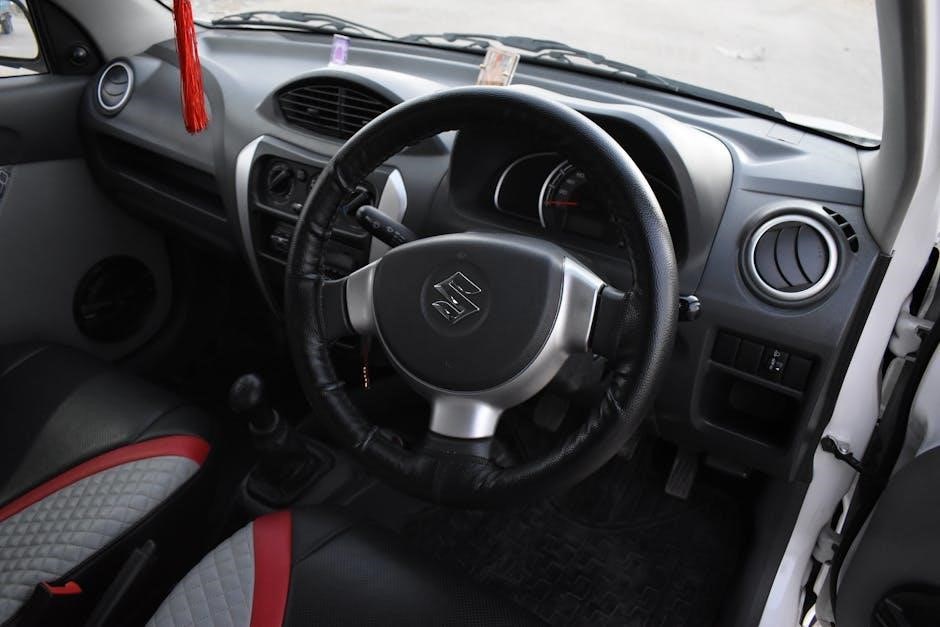
Clutch wear is a prevalent issue in Duramax manual transmissions, directly linked to driving habits and load. Aggressive acceleration, frequent towing, and repeated hard launches significantly accelerate wear. Symptoms include slipping, difficulty engaging gears, and a gradual reduction in pedal feel.
Complete clutch failure can leave drivers stranded without the ability to shift. Regular inspection is crucial, looking for signs of glazing, cracking, or excessive wear on the friction disc. Ignoring early warning signs often leads to more extensive and costly repairs, potentially requiring full clutch kit replacement.
Throw-Out Bearing Issues

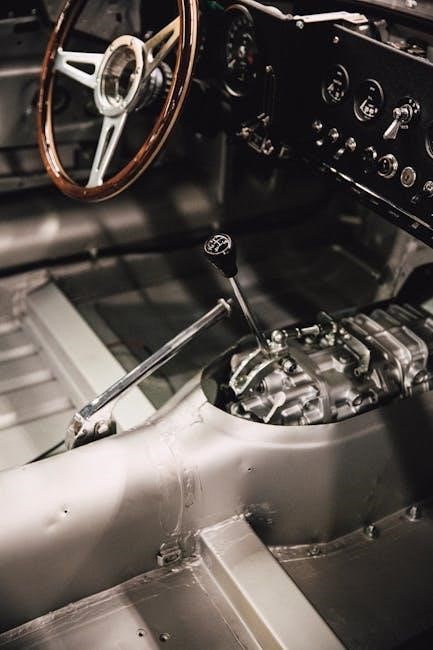
The throw-out bearing, also known as the release bearing, is a critical component in the Duramax manual transmission system. Its primary function is to disengage the clutch, and it’s subjected to considerable stress during each gear change. A failing throw-out bearing typically manifests as a squealing or chirping noise, especially when the clutch pedal is depressed.
Ignoring this noise can lead to complete bearing failure, resulting in clutch disengagement problems and potential damage to the pressure plate and flywheel. Regular inspection during clutch service is recommended. Replacement is often performed as preventative maintenance alongside clutch replacement to avoid future complications and downtime.
Synchro Problems and Gear Grinding
Synchromesh units, or “synchros,” are vital for smooth gear engagement in a Duramax manual transmission. They equalize the speed of the gears before they mesh, preventing grinding. Worn or damaged synchros result in difficulty shifting, particularly into specific gears, and noticeable gear grinding, especially when shifting quickly.
This issue often stems from aggressive shifting habits or prolonged use. Ignoring grinding sounds accelerates wear on the gears themselves, potentially leading to costly transmission repairs. Proper shifting technique – fully depressing the clutch and allowing sufficient time for engagement – can mitigate synchro wear. Replacement requires transmission disassembly and specialized knowledge.
Shift Linkage Issues

The shift linkage connects the gear shifter in the cab to the transmission itself, translating driver input into gear changes. Problems within this system manifest as imprecise shifting, difficulty selecting gears, or a loose, sloppy feel to the shifter. Worn bushings, bent linkage rods, or a loose linkage adjustment are common culprits.
These issues don’t necessarily impact the transmission’s internal components directly, but they severely degrade the driving experience. Regular inspection and lubrication of the linkage points are crucial preventative measures. Replacement of worn bushings or adjustment of the linkage can often restore proper shifting feel and accuracy, avoiding more significant problems.
Duramax Manual Transmission Reliability
Generally, Duramax manual transmissions, particularly the NV5600 and NVG5600, enjoy a reputation for robust reliability when properly maintained. However, recent discussions highlight concerns surrounding newer 10-speed automatics, often branded as Allison, with reports of seal failures and valve body issues emerging from 2023-2025 models.
The manual transmissions’ longevity hinges on consistent fluid changes, careful clutch operation, and addressing minor issues promptly. While not immune to wear and tear, these transmissions can withstand significant power and mileage. Conversely, the automatic transmission’s emerging problems suggest a potential shift in long-term reliability compared to previous generations.
Maintenance for Duramax Manual Transmissions
Proactive maintenance is crucial for Duramax manual transmission longevity. Regular fluid changes, utilizing the manufacturer’s specified fluid type, are paramount – typically every 30,000 to 60,000 miles depending on usage. Consistent clutch adjustment and inspection are vital to prevent premature wear and ensure smooth engagement.
Don’t neglect shift linkage lubrication; this prevents stiffness and ensures precise gear selection. Addressing any grinding or difficulty shifting immediately can prevent more significant, costly repairs. While newer automatics face valve body concerns, diligent manual transmission upkeep minimizes potential issues, contributing to a reliable powertrain.
Fluid Changes (Type and Frequency)
Maintaining the correct fluid level and performing regular changes are essential for Duramax manual transmission health. The recommended fluid type is typically a synthetic 50-weight gear oil, specifically formulated for heavy-duty applications. Change intervals vary based on usage, but generally fall between 30,000 and 60,000 miles for normal driving.
Severe duty, such as frequent towing or off-roading, necessitates more frequent changes – potentially every 15,000 to 30,000 miles. Ignoring fluid changes can lead to increased wear, synchro issues, and ultimately, transmission failure. Always consult your owner’s manual for precise specifications.
Clutch Adjustment and Inspection

Regular clutch adjustment is crucial for smooth shifting and preventing premature wear in a Duramax manual transmission. Inspect the clutch pedal free play – typically around 1/2 to 1 inch – and adjust as needed using the adjustment linkage. Frequent clutch use, especially with heavy loads, demands more frequent inspections.
Also, visually inspect the clutch disc for signs of wear, such as glazing or rivets coming loose, during transmission service. A slipping clutch indicates imminent failure. Addressing minor adjustments promptly can prevent costly repairs down the line and maintain optimal performance.
Shift Linkage Lubrication
Maintaining properly lubricated shift linkage is vital for precise and effortless gear changes in your Duramax manual transmission. Over time, the linkage points can become dry, leading to stiffness, imprecise shifts, and increased wear. Use a high-quality chassis grease specifically designed for automotive applications.
Apply grease to all pivot points and bushings within the shift linkage system. Regularly inspect the linkage for any signs of damage or looseness. Proper lubrication reduces friction, minimizes wear, and ensures a smooth, responsive shifting experience, contributing to the longevity of your transmission.

Upgrading and Performance Modifications
For Duramax enthusiasts seeking enhanced performance, several upgrades cater to manual transmissions. Stronger clutch kits are paramount, handling increased torque from engine modifications. These kits feature upgraded pressure plates, discs, and release bearings for superior durability.
Short throw shifters dramatically reduce shift travel, providing quicker, more precise gear changes. Gear ratio changes can optimize performance for specific applications – lower ratios for towing, higher ratios for improved highway cruising. Careful consideration of these modifications ensures optimal power delivery and a more engaging driving experience.
Stronger Clutch Kits
When modifying a Duramax diesel, upgrading the clutch kit is crucial for reliability. Stock clutches often struggle with increased horsepower and torque. Performance clutch kits utilize enhanced materials like Kevlar, carbon-graphite, or metallic friction discs, providing superior heat resistance and grip strength.
Upgraded pressure plates deliver higher clamping force, preventing slippage under load. Heavy-duty release bearings withstand increased stress. Choosing the right kit depends on your power goals; options range from daily-driver upgrades to competition-ready clutches. Proper installation and break-in are vital for maximizing lifespan and performance.
Short Throw Shifters
For Duramax enthusiasts seeking a more engaging driving experience, short throw shifters are a popular modification. These shifters reduce the distance required to move between gears, resulting in quicker, more precise shifts. Installation typically involves replacing the factory shifter assembly with an aftermarket unit.
Benefits include improved shift speed, reduced driver effort, and a sportier feel. Various designs are available, including billet aluminum and adjustable models. Proper adjustment is crucial to avoid binding or difficulty selecting gears. Consider the intended use – aggressive street or track driving versus daily commuting – when choosing a short throw shifter.
Gear Ratio Changes
Altering the gear ratios in a Duramax manual transmission can significantly impact performance characteristics. Lower (numerically higher) gear ratios, like 4.10:1, provide quicker acceleration and improved towing capacity, but may reduce fuel economy at highway speeds. Conversely, higher (numerically lower) ratios, such as 3.73:1, prioritize fuel efficiency and comfortable cruising, potentially sacrificing some low-end grunt.
Changing gear ratios requires replacing the ring and pinion gears within the differential. Professional installation is highly recommended to ensure proper setup and avoid damaging the differential. Consider the truck’s primary use – towing, hauling, or daily driving – when selecting a new gear ratio.
Duramax Manual Transmission vs. Automatic Transmission
The choice between a Duramax manual and automatic transmission hinges on driver preference and intended use. Automatics, particularly the Allison, offer convenience and ease of use, especially in stop-and-go traffic and towing scenarios. However, manuals provide a more direct connection to the engine, potentially offering better control and fuel economy for experienced drivers.
Recent issues with the 10-speed automatic, including seal failures and valve body concerns, have prompted some to reconsider manual options. Manuals generally boast simpler designs, potentially leading to greater long-term reliability, though clutch wear is a factor. Ultimately, the “better” transmission depends on individual needs.

The Allison Transmission Relationship (and Misconceptions)
The Allison name is synonymous with Duramax durability, but a common misconception exists regarding its involvement with manual transmissions. While Allison is renowned for its heavy-duty automatic transmissions, particularly the 1000 series, they haven’t produced Duramax transmissions since around 2007.
GM brands the 10-speed automatic in heavy-duty trucks as “Allison,” leading to confusion. Recent reports detail problems with these 10-speed automatics – seal failures and valve body issues – impacting the perceived Allison reliability. The manual transmissions used with Duramax engines are separate entities, not manufactured by Allison, and possess a different reliability profile.
Recent Issues and Recalls (2023-2025 Models)
While Duramax manual transmissions haven’t faced widespread recalls, issues with the concurrently offered 10-speed automatic transmissions are relevant due to their impact on overall brand perception. Reports from 2023-2025 indicate front transmission seal failures in some 2500HD GMC Duramax models with the 10-speed.
Furthermore, valve body failures have been documented in 2023 Duramax trucks, often addressed under warranty before a formal recall. These automatic transmission problems, though not directly affecting manuals, contribute to concerns about Duramax drivetrain reliability as a whole, influencing owner sentiment and repair frequency.
10-Speed Automatic Transmission Problems (Relevant to Comparisons)
The 10-speed automatic, frequently paired with Duramax engines, has experienced notable issues impacting owner satisfaction. Reports surfacing from 2022 through 2025 detail premature front transmission seal failures, occurring as early as 5,300 miles. These failures necessitate repair and raise questions about long-term durability.
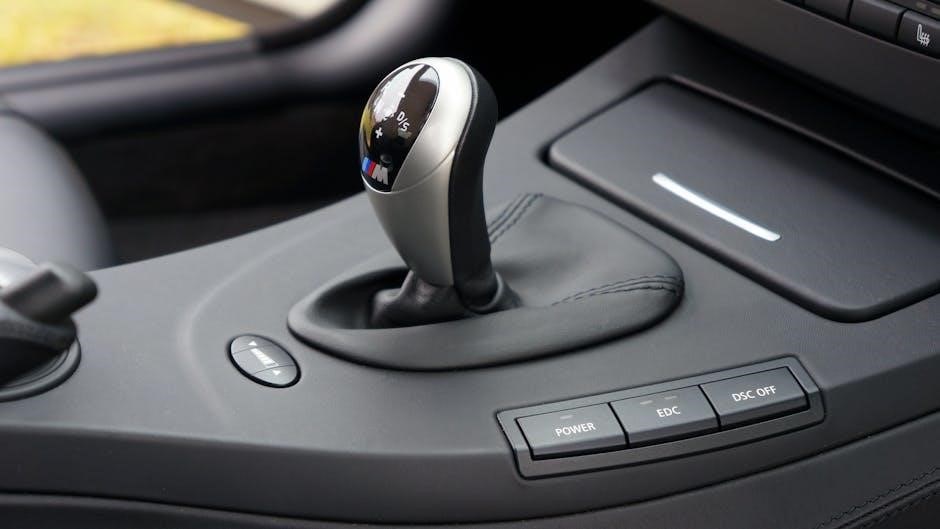
A significant recall involves these 10-speed automatics, particularly those branded as Allison in heavy-duty trucks. Valve body failures, observed in 2023 models, also contribute to the transmission’s problematic reputation, often requiring warranty coverage. These automatic transmission concerns indirectly influence perceptions of Duramax drivetrain reliability when compared to the manual options.
Valve Body Failures (Impact on Overall Transmission Reputation)
Valve body failures within the Duramax’s 10-speed automatic transmission have emerged as a significant concern, particularly affecting 2023 model year trucks. Instances of “fubar” valve bodies were reported with relatively low mileage – around 25,000 miles – before the recall announcement. This issue often required warranty repairs, highlighting a potential design or manufacturing flaw.
These failures contribute to a broader negative perception of the Duramax transmission’s reliability, even though Allison ceased direct production of GM transmissions around 2007. The association with the Allison brand, coupled with these failures, impacts owner confidence and fuels discussions about the benefits of the more robust Duramax manual transmission alternatives.
Finding a Duramax Truck with a Manual Transmission
Locating a Duramax truck equipped with a manual transmission requires dedicated searching, as they represent a diminishing percentage of total production. Primarily, focus on earlier Duramax models – those produced before the widespread adoption of the 10-speed automatic. The NV5600 and NVG5600 transmissions were commonly paired with the Duramax engine during specific production years.
Online marketplaces and specialized truck forums are valuable resources. Be prepared to expand your search radius and potentially consider older, higher-mileage vehicles. Thoroughly inspect any potential purchase, focusing on the transmission’s condition and maintenance history, as these trucks are often sought after by enthusiasts.
Cost of Ownership: Manual vs; Automatic
Generally, Duramax trucks with manual transmissions often have a lower initial purchase price compared to their automatic counterparts, reflecting decreased demand. However, potential repair costs for manual transmissions can be significant, particularly concerning clutch replacements and synchronizer repairs. Automatic transmissions, while initially more expensive, may offer lower long-term maintenance costs for some owners.
Considering the recent issues with the 10-speed automatic – including seal failures and valve body problems – the long-term reliability and associated repair expenses could shift the cost balance. Fuel economy differences are typically minimal, but manual transmissions offer greater driver control and potentially reduced drivetrain loss.
DIY Repair vs. Professional Service
Duramax manual transmission repairs can range from relatively simple adjustments, like shift linkage lubrication, to complex overhauls requiring specialized tools and expertise. While experienced DIY mechanics can tackle some tasks – clutch replacement, for example – misdiagnosis or improper installation can lead to further, costly damage.
Professional service ensures accurate diagnosis and repair, often with warranty backing. Considering the potential for significant issues like synchronizer problems or throw-out bearing failures, especially given recent automatic transmission concerns, entrusting the work to a qualified technician is often prudent. However, labor costs can be substantial, making careful consideration essential.
Future of Manual Transmissions in Duramax Trucks
The future of manual transmissions in Duramax trucks appears increasingly uncertain, mirroring broader industry trends. With the focus shifting towards fuel efficiency and driver convenience, automatic transmissions – particularly the 10-speed Allison – dominate new vehicle offerings. Recent reports of issues with these automatics, including seal failures and valve body problems, haven’t necessarily spurred a return to manuals.
Demand for manual Duramax trucks remains a niche market, primarily among enthusiasts valuing control and simplicity. However, dwindling sales volumes and tightening emissions regulations may ultimately lead to their discontinuation, despite a dedicated following and proven reliability when properly maintained.
Resources for Duramax Manual Transmission Owners
Duramax manual transmission owners benefit from a robust online community and dedicated parts suppliers. Forums like DieselPlace and Duramax Forums offer invaluable troubleshooting advice, repair guides, and a platform to connect with fellow enthusiasts experiencing similar issues. These communities often discuss common problems like clutch wear, throw-out bearing failures, and synchro issues.
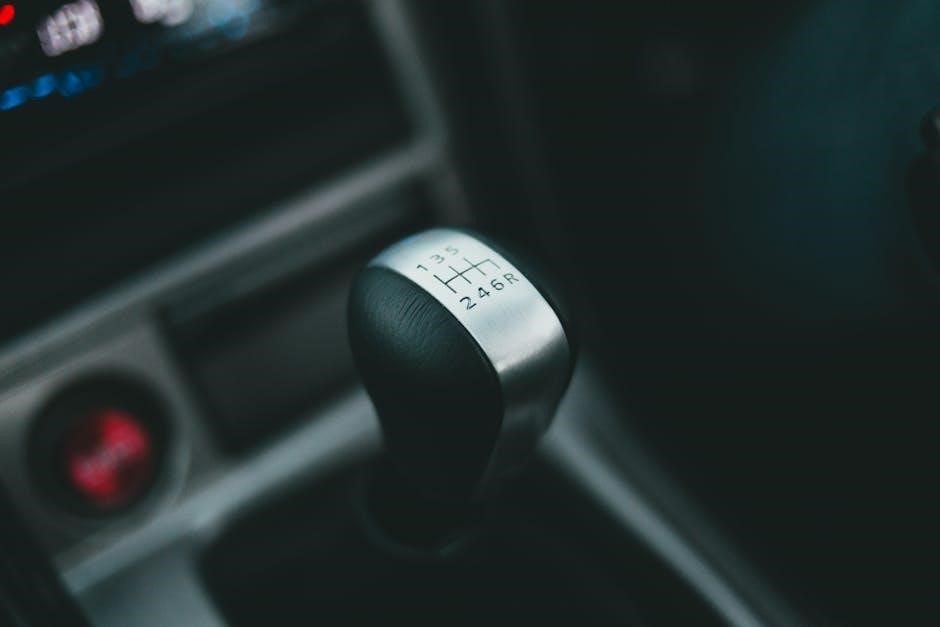
For parts, websites specializing in diesel performance and repair, such as Bulkhead Beverage and Eaton Fuller transmissions, provide a wide selection of clutch kits, shift linkage components, and fluids. Staying informed about recent recalls – particularly those concerning the 10-speed automatic – can also provide context for overall transmission reliability.
Troubleshooting Common Issues
When facing Duramax manual transmission problems, start with the basics. Difficulty shifting often points to low fluid levels or a failing clutch. Gear grinding suggests synchro issues, requiring inspection and potential replacement. Unusual noises could indicate a failing throw-out bearing or internal gear damage.
Inspect the shift linkage for looseness or damage, as this can cause imprecise shifting. Remember the 2023-2025 models experienced valve body failures in the automatic transmissions, highlighting the importance of preventative maintenance. Online forums offer diagnostic steps, but complex issues may necessitate professional diagnosis and repair to avoid further damage.
Where to Find Parts for Duramax Manual Transmissions
Sourcing parts for Duramax manual transmissions requires a multi-faceted approach. Online retailers like RockAuto and Summit Racing Equipment offer a wide selection of components, from clutches to synchronizers. Dealership parts departments provide genuine GM parts, ensuring compatibility but often at a higher cost.
Specialty diesel performance shops frequently stock upgraded and heavy-duty parts. Local transmission rebuilders can also source parts and offer valuable expertise. Considering the 2023-2025 automatic transmission recalls, verifying part quality is crucial. Online forums and communities can provide recommendations for reliable suppliers and specific part numbers.