Umrah Guide Book 2026: A Comprehensive Overview
This 2026 guide details Umrah rituals, visa needs, costs, and optimal travel times, ensuring a spiritually fulfilling and logistically smooth pilgrimage experience.
What is Umrah?
Umrah, meaning “visitation,” is a sacred Islamic pilgrimage to Mecca, Saudi Arabia, performed year-round. Unlike Hajj, it isn’t tied to specific dates and offers greater flexibility for pilgrims. It involves performing Tawaf (circumambulating the Kaaba), Sa’i (walking between Safa and Marwa hills), and a haircut or trimming of hair.
This spiritual journey is considered a highly rewarding act of worship, offering an opportunity for repentance, seeking blessings, and strengthening one’s connection with Allah. Millions undertake Umrah annually, with Saudi Arabia welcoming nearly 17 million foreign pilgrims in 2024 alone. It’s a deeply personal experience, accessible to those who are financially and physically capable, regardless of age – even infants can participate with their families.
The Spiritual Significance of Umrah
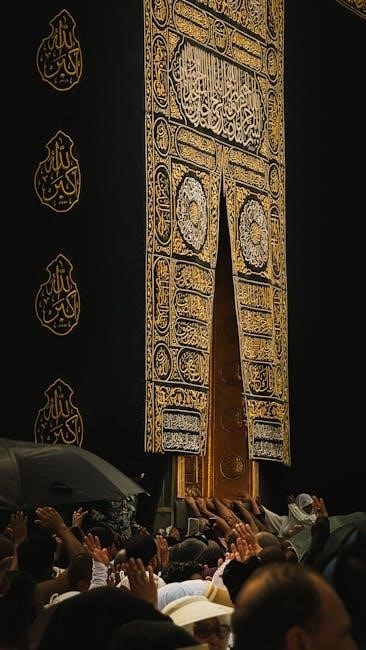
Umrah holds profound spiritual weight for Muslims, representing a voluntary act of devotion and a sincere expression of faith. It’s believed to cleanse the soul, expiate sins, and draw one closer to Allah. The rituals performed mirror those of Hajj, albeit condensed, offering a similar opportunity for spiritual renewal.
The act of circumambulating the Kaaba, Tawaf, symbolizes the unity of Muslims and their devotion to one God. Sa’i commemorates Hagar’s desperate search for water for her son Ishmael, demonstrating reliance on divine providence. Completing Umrah is considered a blessed undertaking, fostering humility, gratitude, and a strengthened commitment to Islamic principles in daily life.
Umrah Visa Requirements for 2026
Securing an Umrah visa is crucial for a lawful pilgrimage in 2026, and the process is now primarily managed through the Nusuk platform. Applicants generally require a valid passport with at least six months of validity remaining, alongside recent passport-sized photographs meeting specific Saudi Arabian requirements.
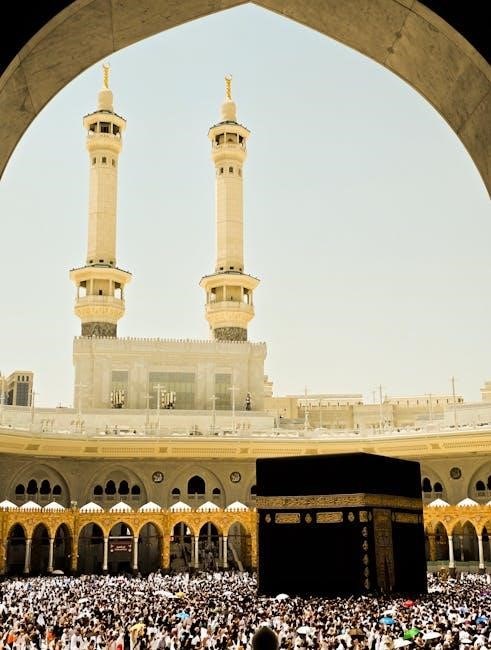
Vaccination certificates are mandatory, adhering to the latest guidelines issued by the Saudi Ministry of Health (MOH). Proof of confirmed hotel bookings in either Makkah or Madinah is also essential. Financially capable and physically able pilgrims of any age – men, women, and children – can apply.
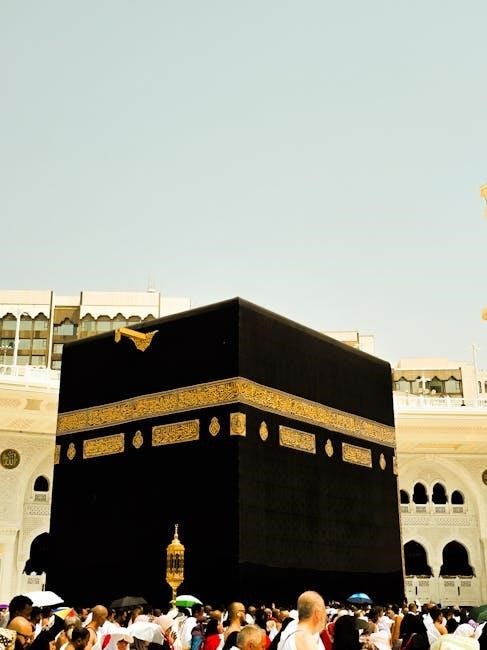
Nusuk Platform: The Official Portal
The Nusuk platform is the sole, official portal for all Umrah-related services in 2026, streamlining the visa application and pilgrimage planning process. It’s designed to enhance the experience for pilgrims globally, offering a centralized hub for bookings, visa applications, and essential information.
Through Nusuk, pilgrims can select from a range of Umrah packages, arrange flights and accommodation, and manage their entire journey digitally. The platform ensures transparency and security, connecting pilgrims with authorized travel agencies. Utilizing Nusuk is mandatory for all international pilgrims intending to perform Umrah in 2026, simplifying logistics and ensuring compliance with Saudi regulations.
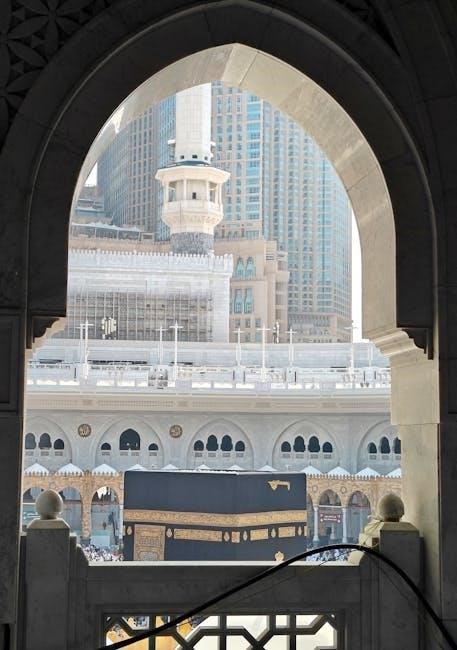
Passport Validity and Photo Specifications
For Umrah in 2026, a valid passport is paramount, requiring a minimum of six months validity remaining from your date of entry into Saudi Arabia. This is a non-negotiable requirement for visa processing and entry. Ensure your passport is not damaged and has sufficient blank pages for visa stamps.
Regarding photographs, recent passport-sized photos are essential. These typically require a white background, a clear frontal view of your face, and adherence to specific size guidelines (usually 2×2 inches). Check the Nusuk platform or your chosen travel agency for the most up-to-date photo specifications to avoid application delays or rejections.
Costs of Umrah in 2026
Determining the cost of Umrah in 2026 is complex, varying significantly based on several factors. These include your country of origin, chosen package level, accommodation preferences, and duration of stay. Expect costs to encompass visa fees, flights, accommodation, transportation within Saudi Arabia, and meals.
Basic packages, offering minimal frills, may start around $1500 ‒ $2000 USD. Luxury packages, with premium hotels and services, can easily exceed $5000 USD. Additional expenses, such as souvenirs, personal shopping, and optional tours, should also be factored into your budget. Careful planning and comparison shopping are crucial for finding the best value.
Umrah Package Costs from Different Countries
Umrah package costs fluctuate considerably depending on your departure location. Packages from the United States typically range from $2,500 to $6,000 USD, influenced by flight prices and hotel choices. From the United Kingdom, costs generally fall between £1,800 and £4,500 GBP. Travelers from Canada can expect to pay between CAD $3,000 and CAD $7,000.
For those traveling from India, packages can be more affordable, starting around INR 60,000 to INR 150,000. Packages originating in Southeast Asian countries like Malaysia and Indonesia often range from $1,200 to $3,000 USD. These are estimates; actual costs depend on the package inclusions and travel agency.
Additional Expenses to Consider
Beyond the core Umrah package, several additional expenses require budgeting. These include personal shopping for souvenirs and gifts, which can easily add up in Makkah and Madinah. Transportation within Saudi Arabia, such as taxis or ride-sharing services, is another cost. Consider expenses for Ziyarat visits to historical Islamic sites.
Food costs, while relatively affordable, should be factored in, especially if not fully covered by your package. Currency exchange rates and potential bank fees also impact your overall budget. Don’t forget to budget for tips for service staff and potential emergency funds for unforeseen circumstances. Travel insurance is highly recommended, adding to the total cost.
Best Times to Perform Umrah in 2026
Determining the best time for Umrah in 2026 involves balancing weather, crowds, and cost. Generally, the shoulder seasons – March-May and September-November – offer a favorable compromise. These periods experience milder temperatures compared to the scorching summer months.
Avoiding peak seasons like Ramadan and the Hajj period is crucial for a more comfortable experience. These times attract massive crowds, leading to higher prices for flights and accommodation. Consider performing Umrah during the week, as weekends tend to be busier. Checking the Islamic calendar for significant dates can also help you plan accordingly.
Avoiding Peak Seasons and Crowds
To maximize comfort during Umrah in 2026, strategically avoid peak seasons. Ramadan and the Hajj period are exceptionally crowded, significantly impacting the spiritual experience and increasing costs. Traveling during the Islamic holidays of Eid al-Fitr and Eid al-Adha also draws large numbers of pilgrims.
Consider performing Umrah during weekdays, as weekends typically see a surge in visitors. The months of Rajab, Sha’ban, and the initial weeks of Dhul-Hijjah (before Hajj) often present a good balance between accessibility and fewer crowds. Booking well in advance, regardless of the chosen time, is highly recommended to secure accommodations and flights.
Weather Considerations
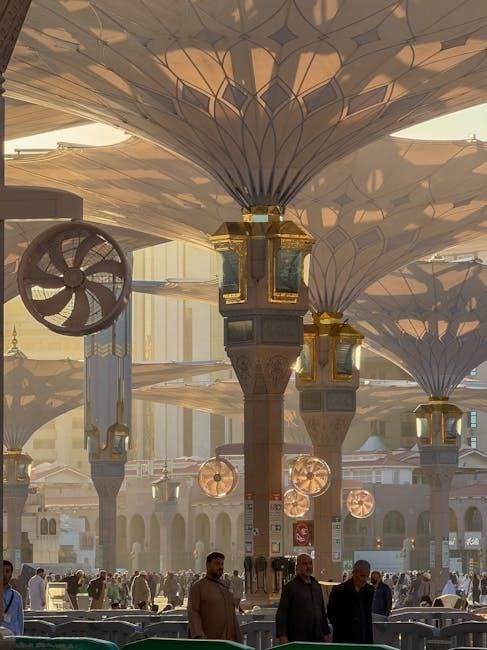
Makkah and Madinah experience extreme temperatures, demanding careful planning for your 2026 Umrah journey. During the hotter months (May to September), temperatures can soar well above 40°C (104°F), requiring diligent hydration and sun protection. Consider traveling during the cooler months (November to February) for a more comfortable experience, with average temperatures ranging from 20°C to 30°C (68°F to 86°F).
Pack light, breathable clothing, a wide-brimmed hat, sunglasses, and high-SPF sunscreen. Stay hydrated by drinking plenty of water throughout the day, even if you don’t feel thirsty. Be mindful of the heat and avoid prolonged exposure during peak hours.
Step-by-Step Umrah Rituals
The Umrah journey comprises several key rituals, beginning with entering Ihram, a sacred state signifying purity and devotion. Next is Tawaf, circumambulating the Kaaba seven times counter-clockwise, expressing unity with Allah; Following Tawaf is Sa’i, swiftly walking seven times between the hills of Safa and Marwa, emulating Hagar’s search for water.
The final step involves Halq or Taqsir, either shaving the head completely (Halq) or trimming the hair (Taqsir), symbolizing the shedding of worldly attachments. These rituals, performed with sincere intention, complete the Umrah pilgrimage, bringing spiritual fulfillment.
Entering Ihram
Ihram, the initial step of Umrah, signifies a sacred state of spiritual preparation. It’s entered at a designated Miqat point, geographically defined locations before reaching Mecca. Men typically wear two seamless white cloths, while women wear modest, loose-fitting clothing covering the entire body, excluding the face and hands.
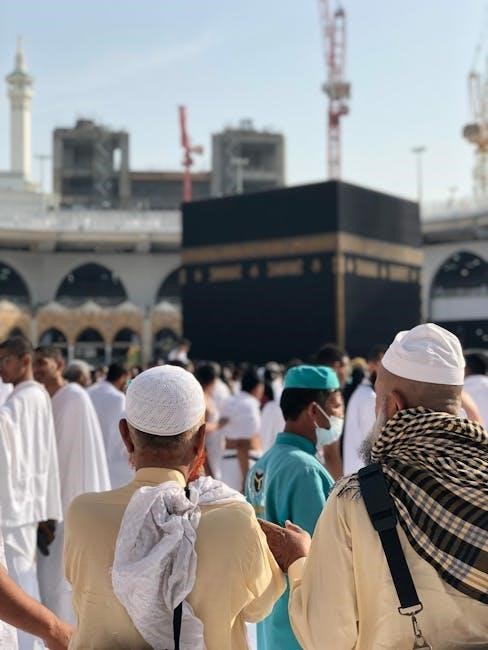
During Ihram, certain prohibitions apply: cutting hair or nails, using perfume, engaging in marital relations, and hunting. Reciting the Talbiyah, a prayer declaring devotion to Allah, is essential. Entering Ihram with sincere intention purifies the heart and prepares the pilgrim for the sacred rituals ahead, marking a profound spiritual transition.
Performing Tawaf
Tawaf is the circumambulation of the Kaaba, the holiest structure in Islam, performed seven times in an anti-clockwise direction. Pilgrims begin at the Black Stone, traditionally touched or acknowledged with a gesture. Each circuit symbolizes devotion and unity with Allah. Men typically perform the first three circuits swiftly, followed by four walks at a normal pace.
During Tawaf, it’s recommended to recite prayers and reflect on the divine. Maintaining a state of humility and focus is crucial. After completing seven circuits, pilgrims proceed to the Maqam Ibrahim, the station of Abraham, offering prayers. Tawaf is a central ritual, embodying the core of Umrah and fostering a deep spiritual connection.
Sa’i Between Safa and Marwa
Sa’i is the ritual of walking swiftly between the hills of Safa and Marwa, seven times, emulating Hagar’s desperate search for water for her son Ishmael. Pilgrims begin at Safa, facing the Kaaba, reciting prayers and supplications with heartfelt intention. The distance between the hills is approximately 450 meters, and men are encouraged to jog during certain portions.
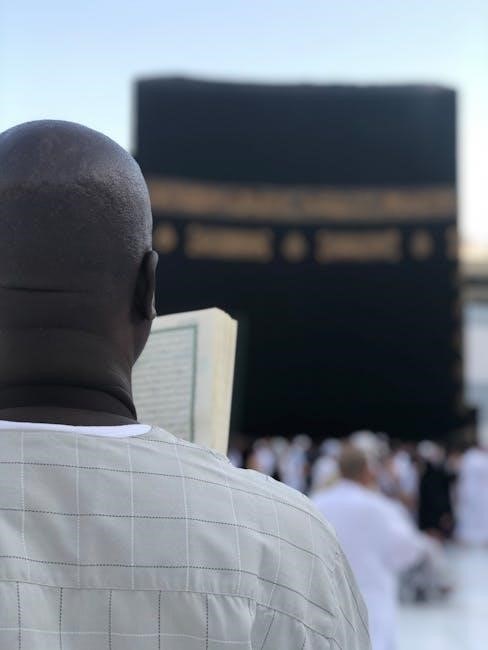
This act symbolizes unwavering faith and reliance on Allah. Completing four rounds involves walking from Safa to Marwa, and three rounds from Marwa to Safa. Sa’i is a physically demanding yet spiritually rewarding experience, strengthening one’s connection with the stories of the prophets and demonstrating perseverance in devotion.
Halq or Taqsir
Halq and Taqsir mark the final step in completing Umrah, signifying the shedding of worldly attachments and complete submission to Allah. Halq involves the complete shaving of the head – preferred for men – symbolizing a total renunciation of vanity. Taqsir, however, entails trimming the hair – a permissible alternative for men and obligatory for women.
This act signifies purification and a fresh start, mirroring the humility and devotion of the prophets. The hair is typically collected and discarded, representing the removal of ego and worldly concerns. Performing Halq or Taqsir officially concludes the Umrah pilgrimage, allowing pilgrims to return to their normal lives with renewed faith and spiritual clarity.
Health Requirements for Umrah 2026
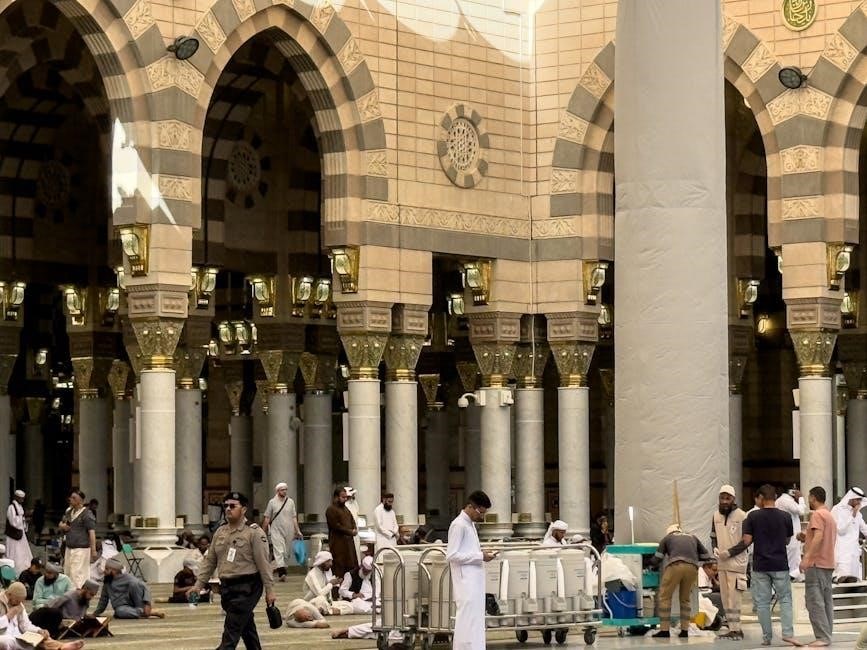
Maintaining good health is paramount for a safe and fulfilling Umrah journey. The Saudi Ministry of Health (MOH) sets forth specific guidelines, updated regularly, to protect pilgrims. Mandatory vaccinations are crucial, and requirements vary based on your country of origin and current global health conditions. Consult the latest MOH documentation – available in English – for the most accurate information.
Generally, pilgrims need to demonstrate proof of vaccination against diseases like meningitis and influenza. A general medical check-up is highly recommended before travel. Adhering to hygiene practices – frequent handwashing and mask-wearing – is vital. Staying informed about the latest health advisories ensures a worry-free pilgrimage.
Mandatory Vaccinations
Specific vaccinations are non-negotiable for Umrah pilgrims in 2026, safeguarding both individual health and public safety. Meningococcal meningitis vaccination is universally required, with a certificate of vaccination essential for visa processing. Influenza vaccination is strongly recommended, though its mandatory status may depend on evolving health conditions. Check the Saudi Ministry of Health (MOH) website for the most current list of required and recommended vaccines.
Ensure vaccinations are administered at least 10 days before travel to allow for immunity development. Carry your vaccination certificates throughout your journey, as they may be requested by authorities. Consult your doctor well in advance to determine which vaccinations you need based on your medical history and travel itinerary.
Ministry of Health Guidelines
The Saudi Ministry of Health (MOH) dictates crucial health protocols for Umrah pilgrims in 2026. These guidelines are subject to change based on global health situations, so frequent updates are vital. The latest English MOH document (1446H/2025) outlines requirements, including potential COVID-19 related protocols, and recommendations for a safe pilgrimage.
Pilgrims must adhere to hygiene standards, including frequent handwashing and mask-wearing if advised. Report any illness immediately to healthcare personnel. Travel insurance covering medical expenses is highly recommended. Stay informed about any quarantine regulations upon arrival or departure. Prioritize your health and respect the guidelines to ensure a safe and fulfilling Umrah experience.
Accommodation Options Near the Haram
Choosing the right hotel near the Masjid al-Haram significantly impacts your Umrah experience. Options range from luxurious five-star hotels offering premium amenities and direct Haram views to more affordable hotels catering to budget-conscious pilgrims. Proximity to the Haram is a key consideration, influencing walking time for prayers.
Consider hotels in areas like Ajyad, Maqam Ibrahim, and Ibrahim Khalil for convenient access. Book well in advance, especially during peak seasons, to secure your preferred choice. Read reviews to assess cleanliness, service quality, and overall value. Factor in included amenities like breakfast and shuttle services.
Choosing the Right Hotel
Selecting the ideal hotel for your Umrah journey requires careful consideration of several factors. Prioritize proximity to the Haram to minimize walking time for prayers, especially beneficial for those with mobility concerns. Determine your budget and explore options ranging from budget-friendly accommodations to luxurious five-star hotels.
Read recent guest reviews to gauge cleanliness, service quality, and overall satisfaction. Check for included amenities like breakfast, Wi-Fi, and shuttle services to the Haram. Consider room size and configuration based on your group size. Early booking is crucial, particularly during peak seasons, to secure your preferred choice and potentially better rates.
Practical Tips for a Smooth Umrah Journey
Preparation is key for a seamless Umrah experience. Pack comfortable, modest clothing suitable for the climate and religious observances. Carry essential medications with prescriptions and a basic first-aid kit. Download useful apps like the Nusuk app for guidance and updates.
Stay hydrated by drinking plenty of water, especially during Tawaf and Sa’i. Protect yourself from the sun with sunscreen, a hat, and sunglasses. Keep copies of important documents (passport, visa, hotel confirmation) separate from the originals. Be mindful of your belongings and surroundings to prevent loss or theft. Learn basic Arabic phrases for easier communication.
Age and Physical Requirements
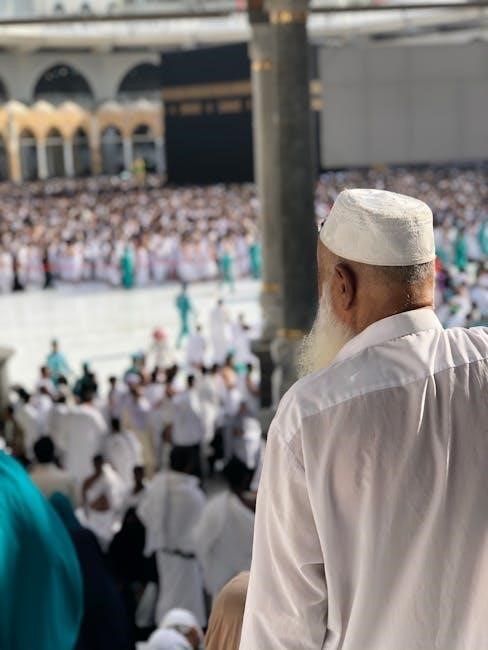
Umrah is accessible to individuals of all ages, from infants to the elderly, provided they meet certain conditions. There is no strict upper age limit for performing Umrah; however, pilgrims must be physically capable of completing the rituals. Financial capability is also essential to cover travel and accommodation expenses.
Individuals with chronic health conditions should consult their doctor before traveling to ensure they are fit for the journey. Parents are responsible for the well-being of their children during Umrah; While not mandatory, a mahram (male guardian) is recommended for women traveling alone. Physical stamina is needed for walking long distances during Tawaf and Sa’i.