Soleus Air Portable Air Conditioner Manual: A Comprehensive Guide
This manual details operation, maintenance, and troubleshooting for Soleus Air units, referencing models like LX 140 and dehumidifiers such as SG-DEH-25-4․
Understanding Your Soleus Air Unit
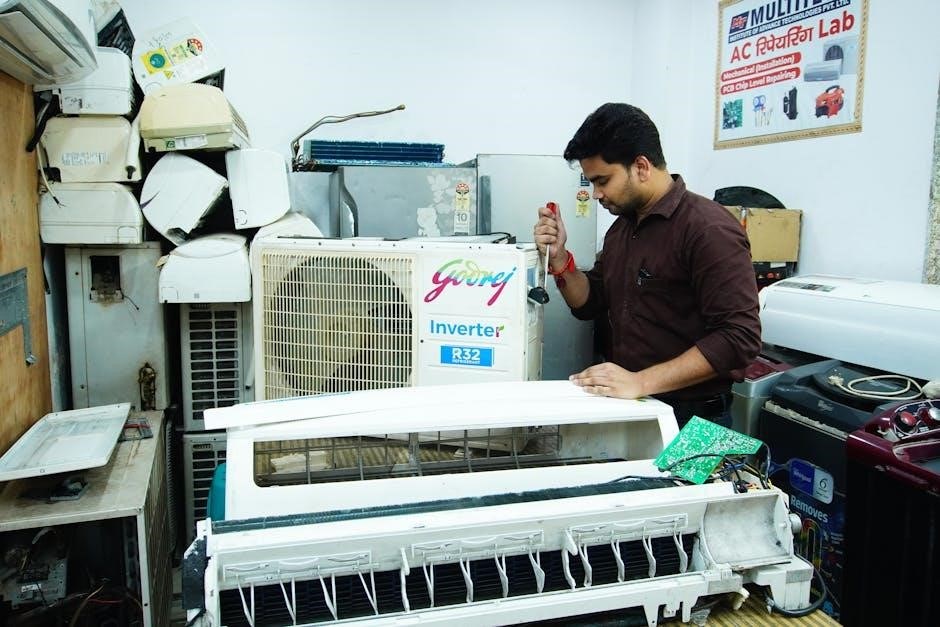
Your Soleus Air portable air conditioner is designed for convenient and efficient cooling․ These units, as detailed in various owner’s manuals and brochures – including those for Vortex-AC-VT and Vortice Polar models – offer a self-contained cooling solution․ Understanding the core components is key to optimal performance․
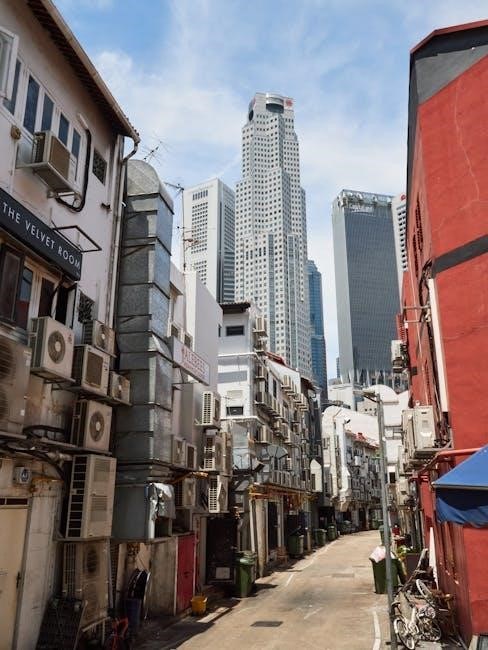
The unit typically includes a compressor, condenser, evaporator, and fan․ These work together to remove heat and humidity from the room․ Referencing documentation like the Crown Group ATC 3002 HC/4002 HC specifications can provide insight into the internal workings․ Proper operation, as outlined in guides for models like the Soleus Air LX 140, ensures longevity and effectiveness․ Familiarize yourself with the unit’s features before initial use․
Model Identification and Specifications
Identifying your specific Soleus Air model is crucial for accessing the correct documentation․ Resources like online PDF downloads – including the Vortex-AC-VT and Soleus Air LX 140 operating manuals – provide detailed specifications․ Models vary in cooling capacity (BTUs), dehumidification rates (pints/day, as seen in the SG-DEH-25-4), and power requirements․
Specifications often include dimensions, weight, and refrigerant type․ Documents for units like the Crown Group ATC 3002 HC and ATC 4002 HC outline these details․ Ensure your electrical system meets the unit’s voltage needs (typically 115V, like the Toshiba 70 Pint model)․ Refer to the unit’s label and accompanying manual for precise specifications to guarantee safe and efficient operation․
Key Features and Benefits
Soleus Air portable air conditioners offer convenient and efficient cooling solutions․ Key features include portability, allowing for spot cooling in various rooms without permanent installation․ Models like the Vortice Polar boast user-friendly controls and multiple operating modes, enhancing comfort and convenience․
Benefits extend to dehumidification capabilities, exemplified by the SG-DEH-25-4, which removes excess moisture from the air․ Energy Star certified models, such as the Toshiba 70 Pint, promote energy savings․ Easy-to-follow manuals, like those available online, simplify operation and maintenance, ensuring long-lasting performance and user satisfaction․
Setting Up Your Portable Air Conditioner
Proper setup is crucial for optimal performance․ Begin by carefully unboxing your Soleus Air unit and verifying all components are present, referencing the component checklist in the manual․ Position the air conditioner near a window for venting, ensuring adequate space around the unit for airflow – consult the HVEF250W manual for positioning guidance․
Connect the exhaust hose securely to both the unit and the window adapter․ Ensure a tight seal to prevent warm air from re-entering the room․ Before powering on, review the electrical safety guidelines detailed in the manual to avoid hazards․
Unboxing and Component Checklist
Carefully unpack your Soleus Air portable air conditioner, retaining the original packaging for potential future transport or warranty claims․ Verify the contents against the included component checklist – often found within the owner’s manual, similar to the Vortex-AC-VT documentation․
Essential components typically include: the air conditioner unit itself, an exhaust hose, window adapter kit, remote control, and this user manual․ Inspect each item for any shipping damage․ If any parts are missing or damaged, immediately contact customer support․ Refer to similar manuals like the Ideal Air 700830 for component examples․
Proper Placement for Optimal Performance
To maximize cooling efficiency, position your Soleus Air portable unit on a level surface, ensuring adequate ventilation around all sides – at least 12 inches clearance is recommended․ Avoid direct sunlight, as this can compromise cooling performance․
The exhaust hose must be vented to the outside via the included window kit, preventing recirculation of hot air․ Refer to dehumidifier placement guidance, like in the HVEF250W manual, for similar principles․ Ensure the hose isn’t kinked or excessively long․ Proper placement, similar to Vortice Polar units, is crucial for effective operation․
Operating Instructions
Before operation, ensure the unit is properly placed and the exhaust hose is correctly vented․ Power on the Soleus Air unit using the control panel․ Select your desired cooling mode – options may include cool, fan, and dehumidify, mirroring features found in models like the Vortice Polar․
Adjust fan speed and temperature to your comfort level․ Refer to the LX 140 operating manual for specific control details․ Regularly check the water drainage system, as detailed in dehumidifier manuals like the HVEF250W, to prevent overflow․ Always follow safety guidelines for electrical appliances․
Control Panel Overview
The control panel houses essential functions for operating your Soleus Air portable air conditioner․ Typically, you’ll find power buttons, mode selection (cool, fan, dehumidify – similar to Vortice Polar units), temperature adjustment controls, and fan speed settings․
Some models, like the LX 140, may include a timer function for automated operation․ Indicator lights display the selected mode and operational status․ Refer to your specific model’s manual for detailed explanations of each button and feature․ Understanding these controls ensures optimal performance and user experience․
Cooling Modes: Explained
Soleus Air portable air conditioners offer versatile cooling modes to suit your needs․ The ‘Cool’ mode actively lowers the room temperature, utilizing refrigeration technology․ ‘Fan’ mode provides air circulation without cooling, ideal for ventilation․ Some units, mirroring features in Vortice Polar models, include a ‘Dehumidify’ mode, removing moisture from the air – beneficial like the SG-DEH-25-4 dehumidifier․

Auto mode intelligently adjusts cooling based on room temperature․ Selecting the appropriate mode optimizes comfort and energy efficiency․ Consult your model’s manual for specific mode functionalities and recommended usage scenarios․
Fan Speed and Temperature Settings
Soleus Air units provide adjustable fan speeds – typically Low, Medium, and High – controlling airflow intensity․ Lower speeds conserve energy and reduce noise, while higher speeds deliver rapid cooling․ Temperature settings, usually displayed in Fahrenheit, allow precise temperature control within a specified range․
Digital control panels, common in models like the LX 140, enable easy adjustment of both fan speed and temperature․ Experiment to find the optimal combination for your comfort level․ Remember, consistent temperature settings promote energy efficiency, avoiding unnecessary compressor cycling․
Maintenance and Cleaning
Regular maintenance ensures optimal performance and longevity of your Soleus Air portable air conditioner․ Key tasks include frequent filter cleaning – vital for maintaining airflow and cooling efficiency․ Accumulated dust and debris reduce performance and can impact air quality․
Additionally, periodic cleaning of the unit’s exterior with a damp cloth is recommended․ Proper drainage is crucial; ensure the water tank is emptied regularly or the drainage hose is correctly positioned․ Refer to the manual for specific cleaning instructions related to your model, like the SG-DEH-25-4 dehumidifier․
Filter Cleaning Procedures
Maintaining a clean air filter is paramount for efficient operation of your Soleus Air portable AC․ Locate the filter, typically behind the front grille, and gently remove it․ Vacuum the filter to remove loose dust and debris․ For a deeper clean, wash the filter with mild soap and lukewarm water․
Rinse thoroughly and allow the filter to air dry completely before reinstalling․ Never operate the unit without a filter, or with a damp filter, as this can damage the appliance․ Regular cleaning – every two weeks under normal use – ensures optimal airflow and cooling performance, extending the unit’s lifespan․
Drainage Options and Instructions
Your Soleus Air portable AC generates condensation during operation, requiring periodic drainage․ Two primary options exist: manual drainage and continuous drainage․ For manual drainage, locate the drain plug at the rear of the unit and carefully remove it, allowing water to drain into a suitable container․
Alternatively, attach a hose to the drain port for continuous drainage into a floor drain․ Ensure the hose is securely connected and positioned to prevent water backflow․ Regularly check the water level and hose for obstructions․ Proper drainage prevents water buildup and ensures optimal performance․
Winter Storage Guidelines
Preparing your Soleus Air unit for winter storage is crucial for longevity․ Before storing, thoroughly clean the filter and empty any remaining water from the internal tank to prevent mold and mildew growth․ Ensure the unit is completely dry before packing․
Store the AC in a cool, dry place, covered to protect it from dust and debris․ Avoid storing in direct sunlight or areas with extreme temperatures․ Retain this manual for future reference․ Proper storage safeguards against potential damage and ensures readiness for the next cooling season․
Troubleshooting Common Issues
Addressing issues promptly maintains your Soleus Air unit’s performance․ If the unit isn’t cooling, check the filter for blockage and ensure proper ventilation․ Investigate error codes – consult the manual for specific meanings and recommended actions․
Water leakage often stems from a clogged drain hose or improper unit leveling․ Regularly inspect and clear the hose․ Refer to the manual’s drainage instructions․ If problems persist, avoid self-repair and contact qualified service personnel for assistance․ Ignoring issues can lead to more significant damage․
Unit Not Cooling Effectively

Insufficient cooling can stem from several factors․ First, verify the air filter is clean; a clogged filter restricts airflow, diminishing cooling capacity․ Ensure the unit isn’t positioned in direct sunlight or near heat sources․ Confirm windows and doors are sealed to prevent warm air infiltration․
Check the exhaust hose for kinks or obstructions, as this hinders heat expulsion․ Confirm the correct cooling mode is selected on the control panel․ If the problem persists, consult the error code section of the manual, or seek professional assistance to diagnose potential compressor issues․
Error Codes and Their Meanings
Soleus Air units utilize error codes to signal malfunctions, aiding in diagnosis․ While specific codes vary by model, common indicators include “E1” or “E2” signifying sensor errors – potentially a faulty thermistor․ “E3” often points to a compressor issue, requiring professional attention․
“E4” may indicate a blocked exhaust hose or internal airflow restriction․ Refer to your specific model’s manual for a complete list and detailed explanations of each error code․ Ignoring error codes can lead to further damage; promptly addressing them ensures optimal performance and longevity of your unit․
Water Leakage Problems
Water leakage in your Soleus Air portable AC often stems from inadequate drainage․ Ensure the unit is positioned on a level surface to facilitate proper condensate flow․ Regularly check and empty the water reservoir, or connect a drainage hose for continuous operation, as outlined in the manual․
Blocked drainage ports or a kinked hose can also cause leaks․ Inspect these components frequently․ If leakage persists, verify the unit isn’t tilted and that all connections are secure․ Ignoring leaks can lead to water damage; address promptly to prevent further issues․
Safety Precautions
Prioritize safety when operating your Soleus Air portable air conditioner․ Always adhere to electrical safety guidelines – avoid using damaged cords or operating the unit in wet environments․ Ensure proper grounding to prevent electrical shock, and never overload circuits․
General warnings include keeping the unit away from flammable materials and ensuring adequate ventilation․ Do not attempt to disassemble or repair the AC yourself; contact qualified personnel for servicing․ Keep children and pets away from the unit during operation, and always unplug it before cleaning or maintenance․
Electrical Safety Guidelines
To ensure safe operation, always use a grounded outlet with the correct voltage for your Soleus Air portable air conditioner․ Never use extension cords or adapters, as they can overheat and pose a fire risk․ Inspect the power cord regularly for damage, and discontinue use if any issues are found․
Avoid operating the unit in areas with high humidity or near water sources․ Do not touch the plug with wet hands․ If the unit experiences an electrical malfunction, immediately unplug it and contact a qualified technician․ Proper grounding is crucial for preventing electrical shock and ensuring safe operation․
General Safety Warnings
Always disconnect the unit from the power source before performing any maintenance or cleaning․ Do not insert objects into the air vents, as this could damage the internal components and create a safety hazard․ Keep the unit away from flammable materials and sources of heat․
Ensure adequate ventilation in the room when using the air conditioner․ Do not operate the unit if it has been damaged or is malfunctioning․ Supervise children and pets around the unit to prevent accidental injury․ Follow all safety instructions outlined in this manual to ensure safe and efficient operation of your Soleus Air appliance․
Disposal Considerations
Responsible disposal is crucial for environmental protection․ Do not simply discard your Soleus Air portable air conditioner with regular household waste․ Check local regulations regarding the proper disposal of electronic appliances and refrigerants․ Many areas offer recycling programs specifically for these items․
Contact your local waste management authority for guidance on designated drop-off locations or collection events․ Improper disposal can release harmful substances into the environment․ Consider donating a working unit to a charitable organization if it is still functional․ Prioritize environmentally sound practices when retiring your appliance․