GE home security offers reliable protection‚ integrating seamlessly with Google Nest and Cync devices. A long-standing brand‚ GE provides accessible‚ smart home security solutions.
What is a GE Home Alarm System?
GE Home Alarm Systems represent a comprehensive approach to safeguarding your property and loved ones. These systems aren’t just about deterring intruders; they’re about providing peace of mind through reliable technology and user-friendly operation. Rooted in a brand with over a century of innovation – as evidenced by the game GE Online’s 15+ years of operation – these systems blend legacy with modern smart home capabilities.
They are designed for easy self-monitoring‚ though professional monitoring options are also available. Compatibility with Google Nest and Cync devices allows for seamless integration into existing smart home setups‚ enabling remote control and automation. The systems utilize a central control panel‚ coupled with wireless sensors for doors‚ windows‚ and motion detection‚ offering a flexible and scalable security solution.
Key Features and Benefits
GE Home Alarm Systems boast several key advantages. Seamless integration with Google Nest and Cync devices allows voice control and remote management via the Google Home app. Wireless connectivity simplifies installation and offers flexibility in sensor placement. The systems provide multiple alarm modes – Away‚ Stay‚ and Night – catering to diverse security needs.
Benefits include 24/7 potential monitoring (with subscription)‚ customizable alerts‚ and a user-friendly interface. Like the enduring popularity of GE Online (a game operating for over 17 years!)‚ these systems are built for longevity and reliability. Furthermore‚ the systems offer scalability‚ allowing users to expand coverage as needed‚ ensuring a tailored security solution for any home.

System Components
GE alarm systems include a control panel‚ door/window sensors‚ motion detectors‚ and key fobs. Compatibility with Google and Cync expands functionality.
Control Panel Overview
The control panel serves as the central hub of your GE home alarm system‚ managing all connected devices and communication. It typically features a touchscreen interface for easy arming‚ disarming‚ and system configuration; Key functions include displaying system status‚ receiving alerts from sensors‚ and initiating communication with a monitoring center if professionally monitored.
Modern GE panels often integrate with smart home ecosystems like Google Nest‚ allowing control via the Google Home app. The panel’s memory stores event logs‚ providing a history of alarm activations and system activity. Powering options include both AC adapter and battery backup‚ ensuring continued operation during power outages. Understanding the panel’s layout and functions is crucial for effective system management and responding to potential security breaches.
Door and Window Sensors
Door and window sensors are fundamental components of a GE home alarm system‚ providing perimeter protection. These sensors typically consist of two parts: a sensor and a magnet. When a door or window is opened‚ the separation of the sensor and magnet triggers an alarm signal sent to the control panel.
GE offers both surface-mounted and recessed sensor options to suit various installation preferences. Wireless sensors communicate with the control panel via a secure radio frequency‚ simplifying installation. Proper placement is vital; ensure sensors are aligned and securely attached to both the frame and the moving part of the door or window. Regular testing confirms functionality and battery life.
Motion Detectors
Motion detectors enhance your GE home alarm system by detecting movement within a designated area. Utilizing passive infrared (PIR) technology‚ these devices sense changes in heat signatures‚ triggering an alarm when unauthorized activity is detected. Strategic placement is crucial; avoid direct sunlight‚ heat sources‚ and areas with high foot traffic to minimize false alarms.
GE motion detectors often feature adjustable sensitivity settings‚ allowing customization based on your environment. Pet-immune models are available to prevent triggering alarms from household animals. Regular testing ensures optimal performance and verifies the detector’s range and coverage area. Proper installation and configuration are key to reliable security.
Key Fobs and Remote Controls
Key fobs and remote controls provide convenient‚ portable control over your GE home alarm system. These devices allow for quick arming and disarming of the system‚ often including panic buttons for immediate emergency assistance. Typically‚ they operate using radio frequency (RF) communication‚ ensuring reliable functionality even from a distance.
Programming key fobs is usually straightforward‚ involving a simple pairing process with the control panel. Battery life is a key consideration; regularly check and replace batteries to maintain operational readiness. Multiple fobs can be programmed for family members or trusted individuals‚ enhancing accessibility and control. Securely manage fob access to prevent unauthorized system manipulation.

Installation Guide
GE alarm installation involves preparing the area‚ mounting sensors strategically‚ and connecting components to the control panel for a secure‚ integrated system.

Preparing for Installation
Before beginning‚ thoroughly read the GE home alarm system manual to understand all components and safety precautions. Confirm you have all listed parts – control panel‚ sensors‚ key fobs‚ and mounting hardware. Choose a central‚ secure location for the control panel‚ near a power outlet and with good wireless signal strength.
Test all sensors to ensure functionality before mounting. Plan sensor placement‚ focusing on all entry points: doors and windows. Consider pet immunity when positioning motion detectors to avoid false alarms. Ensure you have the necessary tools: a screwdriver‚ drill (if needed for mounting)‚ and potentially a ladder for higher placements. Familiarize yourself with the system’s wiring diagram‚ if applicable‚ for a smooth installation process.
Mounting Sensors and Detectors
Securely attach door and window sensors to both the frame and the moving part‚ ensuring proper alignment for reliable detection‚ as detailed in the GE manual. Use the provided adhesive strips or screws for a firm hold. For motion detectors‚ mount them in corners‚ approximately 6-8 feet high‚ avoiding direct sunlight or heat sources.
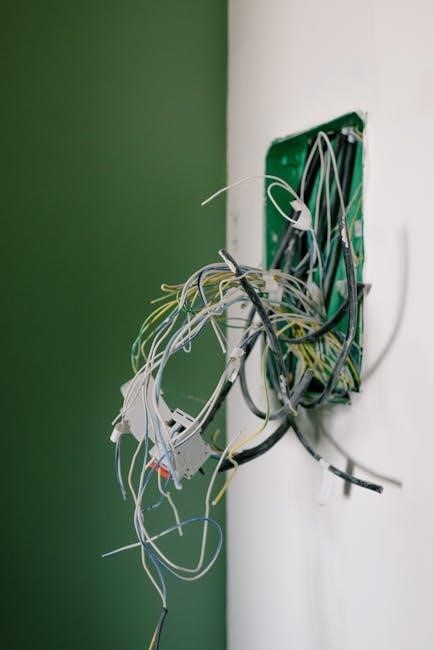
Carefully follow the manual’s instructions regarding wiring‚ if any is required. Double-check that all sensors are firmly attached and haven’t shifted during installation. Test each sensor individually after mounting to confirm it communicates correctly with the control panel. Proper placement and secure mounting are crucial for optimal system performance and minimizing false alarms.
Connecting to the Control Panel
Refer to your GE home alarm system manual for specific pairing instructions‚ as procedures vary by model. Typically‚ this involves entering the system into pairing mode via the control panel interface. Then‚ activate each sensor individually – often by removing a battery tab or pressing a button – allowing the panel to recognize it.
Ensure each device is within range of the control panel during pairing. The manual will detail any specific LED indicators or audible tones confirming successful connection. Once connected‚ verify each sensor’s functionality through the control panel’s testing feature. Proper connection is vital for reliable alarm operation and remote monitoring capabilities.

System Operation
GE alarm systems offer Away‚ Stay‚ and Night modes‚ arming specific sensors. The manual details arming/disarming procedures and responding to alarm events effectively.
Arming and Disarming the System
GE home alarm systems provide multiple arming options for tailored security. Using the control panel‚ key fob‚ or mobile app‚ you can select Away mode for complete protection when the house is empty‚ activating all sensors. Stay mode secures perimeter doors and windows while allowing movement inside – ideal for nighttime. Night mode often focuses on first-floor sensors.
Disarming requires entering your valid user code on the keypad within the designated timeframe. Failure to do so triggers an alarm. The manual details specific key sequences and app procedures. Remember to inform all users of the correct disarming code to prevent accidental activations. Regularly test the system to ensure proper functionality and familiarize yourself with the arming/disarming process.
Understanding Alarm Modes (Away‚ Stay‚ Night)
GE alarm systems offer distinct modes for varied security needs. Away mode arms all sensors‚ providing full protection when the residence is unoccupied. This is best for vacations or extended absences. Stay mode secures doors and windows but bypasses interior motion detectors‚ allowing movement within the home – suitable for bedtime.
Night mode typically focuses on perimeter protection‚ often prioritizing downstairs sensors. Customization options within the system allow tailoring these modes to individual preferences. The manual details how to adjust sensor sensitivity within each mode. Understanding these distinctions ensures optimal security and minimizes false alarms. Correct mode selection is crucial for effective protection.
Responding to an Alarm
Upon alarm activation‚ the GE system will sound a loud siren and‚ if monitored‚ immediately notify the monitoring center. Your manual details the crucial first steps: verify the alarm’s source if safe. Do not confront potential intruders. Immediately provide your safe word to the monitoring center to cancel a false alarm.
If a genuine emergency exists‚ confirm the situation and await emergency services. The system’s event log records alarm triggers‚ aiding investigation. Familiarize yourself with the system’s disarming procedure during an alarm. Regularly test the system to ensure proper functionality and a swift‚ informed response in a real event.
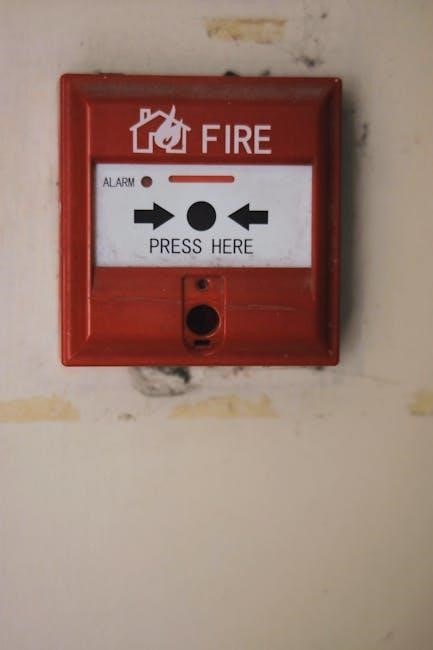
Troubleshooting Common Issues
GE alarm systems may experience false alarms‚ low batteries‚ or connectivity problems; consult your manual for solutions and preventative measures for optimal performance.
False Alarm Prevention
Minimizing false alarms is crucial for a reliable GE home security system. Ensure all doors and windows are securely closed before arming‚ as improperly secured points trigger alerts. Regularly test sensors to confirm functionality and proper placement‚ avoiding areas prone to drafts or direct sunlight.
Adjust motion detector sensitivity levels within the system settings to reduce triggers from pets or moving objects. Familiarize yourself with the entry/exit delay settings in the manual‚ allowing sufficient time to disarm the system upon entering or leaving. Properly train all users on system operation to avoid accidental activations. Review event logs to identify recurring false alarm sources and address them accordingly. A well-maintained and properly configured system significantly reduces unwanted alarms;
Low Battery Alerts
GE home alarm systems provide low battery alerts to ensure continuous protection. The control panel will display a warning message‚ and often an audible chime‚ when sensor batteries are running low. Prompt battery replacement is vital; depleted batteries can compromise system functionality. Consult your system’s manual for specific battery types required for each sensor and device.
Regularly check battery levels through the system interface or mobile app. Some systems offer predictive battery life indicators. Keep spare batteries readily available for quick replacement. Ignoring low battery alerts can lead to system failures during critical moments. Addressing these alerts proactively maintains a reliable and responsive security system‚ safeguarding your home effectively.
Connectivity Problems
GE alarm systems rely on a stable connection to function correctly. Connectivity problems can arise from various sources‚ including Wi-Fi interference‚ router issues‚ or cellular network outages (for systems with cellular backup). The control panel typically displays an error message indicating a loss of connection. First‚ verify your internet connection is active and stable.
Restart your router and control panel. Ensure the panel is within range of your Wi-Fi signal. If using cellular backup‚ confirm service availability with your provider. Refer to your system’s manual for troubleshooting steps specific to your model. Contact GE support if issues persist‚ providing details about the error message and steps already taken to restore connectivity.

Advanced Features & Integration
GE systems integrate with Google Nest and Cync‚ enabling remote control via voice commands and the Google Home app for enhanced smart home functionality.
Google Nest & Cync Device Compatibility
GE home alarm systems demonstrate impressive compatibility with the Google Nest ecosystem and Cync (formerly C by GE) smart lighting solutions. This integration allows users to control their Cync devices – turning lights on/off and adjusting brightness – directly through voice commands using Google Assistant.
Furthermore‚ control is accessible via the intuitive Google Home app‚ offering a centralized hub for managing both security and smart home features. Visual displays like the Google Nest Hub provide another convenient interface for monitoring and controlling connected GE security components and Cync lighting. This seamless connectivity enhances convenience and creates a more responsive and integrated smart home experience‚ leveraging the strengths of both platforms.
Smart Home Integration Options
Beyond Google Nest and Cync‚ GE home alarm systems offer expanding smart home integration possibilities. While specific details require consulting the system manual‚ the foundation for broader connectivity is present. Users can explore potential compatibility with other popular smart home platforms and devices‚ creating a truly interconnected living space.
This includes possibilities for automating routines – for example‚ triggering lights to turn on when the alarm disarms. The longevity of the GE brand (operating for over 15 years‚ as noted in online communities) suggests a commitment to evolving with smart home technology‚ potentially adding further integrations in future updates. Exploring these options enhances the system’s functionality and convenience.

Maintenance and Care
GE alarm systems require regular battery checks and cleaning‚ as detailed in the manual. Proper upkeep ensures optimal performance and longevity of all components.
Battery Replacement
GE home alarm system components‚ like sensors and key fobs‚ rely on batteries for operation. The system will typically provide low battery alerts‚ signaling the need for replacement. Consult your GE alarm system manual for specific battery types required for each device – commonly‚ these are AA or AAA batteries.
To replace a battery‚ gently open the device casing‚ usually with a small screwdriver. Remove the old battery‚ ensuring correct polarity when inserting the new one. Securely close the casing. Test the device after replacement to confirm functionality. Regularly scheduled battery checks‚ perhaps during daylight savings time‚ prevent unexpected system downtime. Dispose of old batteries responsibly‚ following local regulations.
Cleaning and Inspection
Maintaining your GE home alarm system involves regular cleaning and inspection. Dust accumulation can interfere with sensor functionality‚ so gently wipe down all components – control panel‚ sensors‚ and key fobs – with a soft‚ dry cloth. Avoid using liquids or abrasive cleaners.
Inspect wiring for any signs of damage or fraying‚ and ensure sensors are securely mounted. Check the control panel display for clarity and responsiveness. Verify that all devices are communicating correctly with the base station. A visual inspection every six months helps identify potential issues before they escalate‚ ensuring optimal system performance and reliability. Refer to your manual for specific cleaning guidelines.

GE Online & Community Resources
GE’s official support provides tutorials and FAQs for Gemini Apps and systems. Online forums offer community assistance and shared experiences with GE alarms.
Accessing Online Support
GE provides comprehensive online resources to assist users with their home alarm systems. The official GE support website is the primary destination for accessing detailed manuals‚ troubleshooting guides‚ and frequently asked questions. Users can navigate the site to find specific information related to their system model and components.
Furthermore‚ GE offers dedicated support channels‚ including online chat and phone assistance‚ allowing users to connect directly with technical experts for personalized help. The Gemini Apps Help Center also provides valuable tips and tutorials‚ particularly for integration with Google Nest and Cync devices.
Community forums and online discussions‚ as highlighted by user experiences‚ serve as valuable platforms for sharing knowledge and resolving common issues. These resources empower users to effectively manage and maintain their GE home alarm systems.
GE Game – Historical Context (Brief Mention of GE Brand Longevity)
Interestingly‚ while discussing modern GE home alarm systems‚ it’s notable that the GE brand itself boasts a remarkably long history – over 17 years in gaming alone‚ as evidenced by the enduring popularity of GE Online . This longevity reflects a consistent commitment to innovation and reliability‚ qualities now extended to home security.
From its origins‚ GE has been synonymous with technological advancement. This legacy informs the design and functionality of their alarm systems‚ integrating seamlessly with contemporary smart home technology like Google Nest and Cync.
The dedication to quality‚ established over decades‚ translates into dependable performance and user-friendly features‚ making GE a trusted name in both entertainment and home protection.