Longships: A Comprehensive Overview
Longships, or langskip, were slender vessels propelled by oars and sails, utilized by Vikings for raiding, exploration, and trade from the 4th century AD onward.
Historical Context & Origins
Longships emerged from at least the 4th century AD, deeply rooted in Norse culture and the surrounding Scandinavian regions. Initially designed for warfare and raiding, their evolution coincided with the Viking Age. These vessels, sometimes termed “dragonships” (drekaskip), represent a distinct shipbuilding tradition, evidenced by early motifs and archaeological discoveries across Denmark, Norway, and Germany.
The Evolution of Longship Design
Longship design progressed over centuries, notably with the “Clinker” building method around 300 AD, influencing Scandinavian and other cultures’ shipbuilding techniques.
Early Precursors (4th Century AD & Before)
Prior to the fully developed longship, Scandinavian boatbuilding traditions featured long, slender vessels. Archaeological evidence suggests a long tradition of constructing animal-headed naval ships. While definitive precursors are debated, motifs on artifacts dating to the 8th century or earlier hint at early naval designs. These initial boats likely served for coastal travel, fishing, and potentially limited raiding, laying the groundwork for later innovations.
The Clinker-Built Revolution (Around 300 AD)
Around 300 AD, the “Clinker” boatbuilding method emerged, revolutionizing Scandinavian shipbuilding. Examples like the Danish Hjortspring boat and Swedish ships from around 320 AD demonstrate this technique. Clinker construction involved overlapping hull planks, creating a strong yet flexible structure. This innovation was crucial for developing the speed and seaworthiness characteristic of longships, influencing designs across cultures.
Influence on Other Cultures
The longship’s design profoundly impacted shipbuilding traditions beyond Scandinavia. The Clinker technique was adopted by other cultures, notably influencing shipbuilding among the Franks in the 7th century. Scandinavian boatbuilding principles continued to resonate for centuries, shaping vessel construction across Europe. This demonstrates the longship’s lasting legacy and technological contribution to maritime history.
Key Characteristics of Longships
Longships were notably long and slender, designed for speed and carrying warriors. Their distinctive feature was the clinker-built construction, enhancing both strength and flexibility.
Length and Slenderness
Longships were characterized by their exceptional length-to-beam ratio, contributing significantly to their speed and maneuverability. This design allowed for swift navigation through both open ocean and shallow rivers. Varying in size, they could range considerably, accommodating diverse purposes—from coastal raids to extensive voyages. The slender hull minimized water resistance, enabling faster travel compared to broader vessels of the time, crucial for Viking tactics.
Construction Techniques: Clinker Building
Longships employed the “clinker” building method, a hallmark of Norse shipbuilding. Overlapping hull planks – known as strakes – were riveted together, creating a strong yet flexible structure; This technique, originating around 300 AD, allowed the ships to flex with waves, enhancing seaworthiness. The clinker construction also contributed to the vessel’s lightweight nature, vital for speed and maneuverability.
Dragon Head & Tail Decorations (Drekaskip)
Longships were often adorned with intricately carved dragon heads (drekahofud) and tails, earning them the nickname “dragonships” (drekaskip). These weren’t merely aesthetic; they served a psychological purpose, intended to intimidate enemies. The sail completed the dragon imagery, functioning as its “wing”. Larger ships were specifically called dreki, referencing this fearsome design.
Types of Longships
Longships varied in size and function, including the large Dreki, the Karfi, the swift Snekkja, and the sizable Skeid, each serving unique purposes.
Dreki (Largest Type)
Dreki, meaning “dragon,” represented the largest longship classification, often adorned with elaborate dragon head and tail carvings – hence the “dragonship” nickname. These imposing vessels carried substantial crews, facilitating extensive raiding expeditions and demonstrating considerable power. They were symbols of prestige, owned by chieftains and kings, and utilized for both warfare and displays of authority along coastal regions.
Karfi
Karfi represented a smaller type of longship, though still capable and versatile. While details are less abundant than for the larger dreki, karfi likely served as swift, maneuverable vessels for raiding, scouting, and potentially coastal trade. Their size suggests a smaller crew complement, prioritizing speed and agility over sheer carrying capacity and overwhelming force.
Snekkja
The Snekkja was another classification of longship, generally smaller than both the dreki and karfi. These vessels were frequently employed for swift coastal raids and warfare, accommodating a smaller, highly mobile crew. Their lighter build emphasized speed and ease of landing on beaches, making them ideal for surprise attacks and quick getaways.
Skeid
The Skeid represented a significant longship type, distinguished by its substantial size and capacity for carrying numerous warriors. Primarily utilized for large-scale warfare and coastal defense, the skeid could transport a considerable fighting force. These ships were crucial for projecting power and conducting extensive raiding expeditions along enemy coastlines.
Functionality and Usage
Longships served diverse purposes, including raiding, warfare, exploration, and commerce, showcasing their versatility as both military vessels and transport for trade.
Raiding and Warfare
Longships excelled in raiding due to their speed and shallow draft, enabling coastal attacks and riverine operations. They could quickly land warriors, strike, and retreat. Their design facilitated beaching for swift deployment, making fortified settlements vulnerable. The large crew capacity allowed for significant fighting forces, establishing Norse dominance through impactful, swift military campaigns and coastal control.
Exploration and Colonization
Longships were crucial for Norse exploration, navigating both open ocean and inland waterways. Their seaworthiness enabled voyages to Iceland, Greenland, and even North America, establishing new settlements. The vessels’ capacity to transport people, livestock, and supplies facilitated successful colonization efforts, expanding Norse influence across vast distances and establishing trade routes.
Commerce and Trade
Longships weren’t solely war machines; they were vital for Norse commerce. These versatile vessels transported valuable goods – furs, timber, walrus ivory, and slaves – throughout Europe and beyond. Their ability to navigate rivers allowed access to inland markets, fostering extensive trade networks and contributing significantly to the Norse economy and prosperity.
Crew and Navigation
Longships required a sizable crew, expertly organized for rowing and combat. Navigational techniques relied on observation of the sun, stars, and knowledge of sea currents.
Crew Size and Organization
Longship crews varied significantly based on vessel size, ranging from fifteen to over seventy Norse warriors and sailors. Organization was hierarchical, with a captain or chieftain leading the voyage. Rowers, often free men or skilled thralls, formed the bulk of the crew, demanding coordination. Dedicated warriors prepared for battle, while others managed sails and navigation, ensuring efficient operation during raids, trade, or exploration.
Navigational Techniques
Norse navigators skillfully utilized observations of the sun, stars, and sea currents for direction, lacking magnetic compasses. They employed “sunstones” – crystals potentially used to locate the sun’s position on cloudy days. Knowledge of bird flight patterns and whale migration routes aided in finding land. Coastal sailing and landmark recognition were crucial, alongside accumulated seafaring experience passed down through generations.
Archaeological Evidence
Longship remains discovered in Denmark, Norway, and Germany date from the 9th to 11th centuries, with earlier motifs appearing on rune stones as early as the 8th century.
Significant Finds in Denmark
Denmark has yielded crucial archaeological evidence of longships, showcasing their construction and usage. The Skuldelev ships, discovered in Roskilde Fjord, represent a diverse fleet – including cargo vessels and warships – deliberately sunk to block a channel. These finds, dating primarily to the Viking Age, provide invaluable insights into Danish shipbuilding techniques and the varied roles longships played in maritime activities.
Significant Finds in Norway
Norway boasts remarkable longship discoveries, notably the Oseberg, Gokstad, and Tune ships. These exceptionally well-preserved vessels, buried as ship-graves, offer detailed understanding of Viking seafaring and burial customs; The ornate carvings and grave goods found within reveal the high status of those interred with these magnificent ships, demonstrating their importance in Norse society.
Significant Finds in Germany
Germany has yielded crucial longship finds, primarily along the Baltic coast and rivers. Excavations have uncovered ship burials and remnants of vessels used for both trade and warfare, showcasing Viking presence and activity in the region. These discoveries, dating from the 9th to 11th centuries, complement finds in Denmark and Norway.
Comparison with Contemporary Vessels
Longships differed significantly from Slavic and Baltic vessels; they were notably longer and more slender, built with clinker construction for speed and maneuverability at sea.
Longships vs. Slavic Ships
Compared to Slavic ships, longships exhibited a distinct design philosophy. While Slavic vessels utilized clinker building, they remained considerably smaller and shorter. Longships, conversely, prioritized length and slenderness for speed and open-ocean capability. This difference reflects varying naval traditions and strategic needs; Norse longships excelled in raiding and exploration, while Slavic ships focused on coastal and riverine transport.
Longships vs. Other Baltic Vessels
Longships distinguished themselves amongst other Baltic vessels through their unique combination of length, slenderness, and clinker-built construction. While other cultures in the region employed similar building techniques, none achieved the same degree of sophistication or seaworthiness. This allowed Vikings to undertake long-distance voyages, impacting trade routes and establishing settlements across vast distances.
The Lofotr Replica
The Lofotr replica, a full-scale reconstruction, provides invaluable insights into longship operation, demonstrating the skill and labor involved in their construction and use.
Purpose and Construction
The Lofotr replica’s primary purpose was educational, aiming to understand longship functionality. Constructed using traditional clinker-building techniques, it replicates a Viking chieftain’s ship. Oak was the primary wood, mirroring original builds. The project sought to recreate not just the form, but also the operational experience of these iconic vessels, offering practical knowledge.
Insights into Longship Operation
The Lofotr replica provides valuable insights into longship handling, revealing their surprising maneuverability and speed. Operating the vessel demonstrated the effectiveness of combined oar and sail propulsion. Crew coordination was crucial, highlighting the organized nature of Viking seafaring. The replica confirmed longships weren’t just for raiding, but capable coastal and open-ocean travel.
Longship Materials and Construction Details
Longships primarily utilized wood, with oak being favored for its strength. Sail design involved a single square sail, expertly rigged for optimal wind capture and maneuverability.
Wood Types Used
Longship construction heavily relied on readily available wood, with oak being the most prized material due to its exceptional strength, durability, and resistance to decay. Pine and ash were also frequently employed, particularly for lighter structural components like masts and planking. The specific wood choices varied regionally, influenced by local forest resources and shipbuilding traditions, ensuring a robust and seaworthy vessel.
Sail Design and Rigging
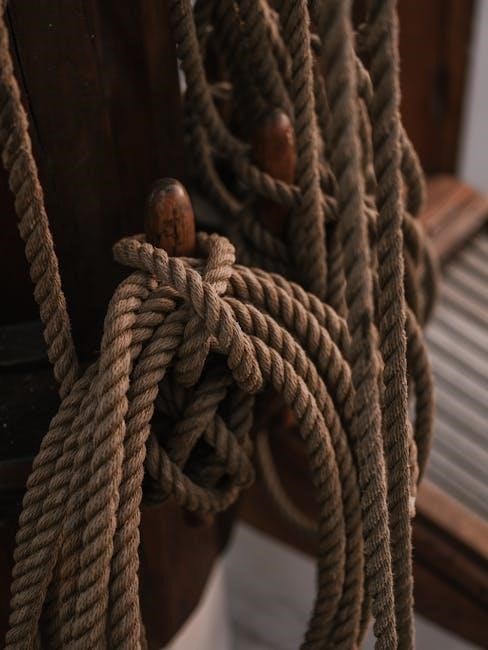
Longship sails were typically single-square sails, woven from wool, linen, or potentially hemp, suspended from a single mast. Rigging was relatively simple, utilizing ropes made from natural fibers like hemp or animal hides. These sails maximized wind capture for speed, complementing oar power, and allowed for efficient navigation along coastal waters and open seas, crucial for Viking voyages.
The Role of Longships in Norse Society
Longships held immense social importance, reflecting status and power; ship ownership signified wealth, while appearing in Norse mythology highlighted their cultural significance.
Social Status and Ship Ownership
Longship ownership directly correlated with social standing in Norse society, signifying wealth, power, and prestige. Larger, more elaborate vessels, like the dreki, were owned by chieftains and kings. Owning a ship enabled participation in lucrative raiding and trade, further elevating status. A ship wasn’t merely transport; it represented a leader’s ability to command resources and men, solidifying their position within the community and beyond.
Longships in Norse Mythology
Longships held significant symbolic weight in Norse mythology, often associated with gods and the afterlife. Naglfar, a ship made entirely of the fingernails and toenails of the dead, features prominently in Ragnarök. Decorated with dragon heads (drekahofud), ships mirrored mythical beasts, embodying power and the journey to other realms. They represented transition and fate within the Norse worldview.
Longship Dimensions and Specifications
Longships varied greatly in size; typical lengths ranged considerably, with beam dimensions also fluctuating, influencing draft and cargo capacity for diverse Norse activities.
Typical Length and Beam
Longships exhibited a wide range of dimensions, reflecting their varied purposes. Smaller snekkjas might reach around 60 feet in length with a beam of 16 feet, accommodating fewer warriors. Conversely, the larger dreki could extend over 100 feet long, boasting a beam of approximately 25 feet, enabling larger crews and substantial cargo.
Draft and Capacity
Longships possessed a remarkably shallow draft – typically around 2 to 3 feet – enabling navigation in rivers and coastal waters inaccessible to deeper-draft vessels. Capacity varied greatly; smaller snekkjas held around 40-60 men, while larger dreki could transport over 100 warriors, alongside provisions and trade goods.
Longship Propulsion Methods
Longships primarily relied on oars for propulsion, allowing maneuverability, but also utilized sails – square or rectangular – to harness wind power for faster travel.
Oars as Primary Propulsion
Longships were fundamentally designed for oar-powered movement, crucial for navigating rivers, shallow waters, and achieving speed during raids or tactical maneuvers. Numerous oarsmen, often arranged in two rows along the ship’s length, provided the main source of power. This allowed independent movement, unaffected by wind conditions, making them exceptionally versatile vessels for coastal operations and inland waterways, essential for Viking warfare and exploration.
While primarily oar-driven, longships also incorporated a single, large square sail for supplementing propulsion during favorable winds. This sail, typically made of wool, was attached to a mast that could be raised or lowered, offering flexibility. Sails significantly reduced the crew’s workload on longer voyages, enabling faster travel and extending the range of exploration and trade expeditions undertaken by the Norse.
Longship Maintenance and Repair
Longships faced challenges with seaworthiness, requiring constant upkeep. Traditional repair techniques involved readily available materials and skilled craftsmanship to address damage sustained during voyages.
Challenges of Seaworthiness
Longships, despite their innovative design, weren’t immune to the perils of the sea. The clinker-built construction, while flexible, demanded constant attention to prevent leaks. Exposure to saltwater caused wood rot, necessitating frequent repairs. Storms posed a significant threat, testing the ships’ structural integrity and the crew’s skills. Maintaining buoyancy and stability during prolonged voyages was a continuous challenge for Norse sailors.
Traditional Repair Techniques
Norse shipwrights employed resourceful methods for longship maintenance. Caulking with tarred animal hair and wool sealed gaps between planks. Wooden patches, carefully fitted and secured with iron rivets, addressed damage. Crews carried repair kits, including tools and spare materials. Beaching the ship allowed for thorough inspection and more extensive repairs, vital for prolonged seaworthiness and voyage success.
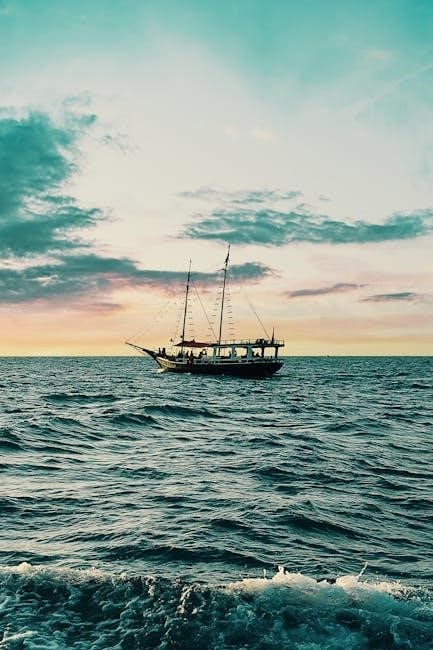
The Legacy of Longships
Longships profoundly impacted shipbuilding, inspiring modern designs and fostering Scandinavian maritime traditions. Their cultural significance endures, symbolizing Viking exploration and naval prowess today.
Influence on Modern Shipbuilding
Longship design, particularly the clinker-built method, left a lasting mark on naval architecture. The efficiency of their hull shapes influenced later vessel construction, emphasizing speed and maneuverability. Modern Scandinavian boatbuilding still reflects characteristics derived from these ancient ships, demonstrating a continuous lineage of design principles and techniques passed down through generations.
Cultural Significance Today
Longships remain potent symbols of Viking heritage and Scandinavian identity. Replicas, like the Lofotr, demonstrate their ingenuity and inspire historical tourism. The dragon-headed drekaskip imagery frequently appears in art, literature, and popular culture, embodying courage, exploration, and the seafaring spirit of the Norse people, continuing to captivate imaginations worldwide.