Ford Fusion 2018 Manual: A Comprehensive Overview
This detailed guide, printed in January 2018, offers crucial information for Fusion owners; Ford reserves the right to modify specifications
and equipment continuously.
Welcome to the comprehensive owner’s manual for your 2018 Ford Fusion! This manual, a second printing from January 2018 and lithographed in the U.S.A., serves as your primary resource for understanding and operating your vehicle effectively. It’s designed to provide detailed insights into all aspects of the Fusion, ensuring a safe and enjoyable driving experience.
This particular edition focuses on the intricacies of the manual transmission model. Ford continuously strives for improvement, and as such, retains the right to alter specifications, design elements, and available equipment without prior notice. Access further resources and information online at owner.ford.com or ford.ca. The manual’s part number is JE5J 19A321 AB. Understanding this manual is key to maximizing your Fusion’s performance and longevity.
Understanding the Owner’s Manual Importance
Your 2018 Ford Fusion owner’s manual is more than just a collection of pages; it’s a vital tool for responsible vehicle ownership. It contains essential information regarding operation, maintenance, and safety features, all crucial for maximizing your vehicle’s lifespan and ensuring your well-being on the road. Familiarizing yourself with its contents allows you to fully appreciate the Fusion’s capabilities and address potential issues proactively.
The manual details how Ford may update specifications and equipment, highlighting the importance of referencing this guide for the most accurate information. Ignoring recommended maintenance schedules or operating procedures could lead to decreased performance, costly repairs, or even safety hazards. Regularly consulting this resource, alongside online resources like owner.ford.com, empowers you to maintain your Fusion in optimal condition and enjoy a confident driving experience.
Key Features & Specifications (Manual Transmission)
The 2018 Ford Fusion manual boasts a 6-speed transmission, diverse engine options, and detailed specifications outlined in the official owner’s manual.
Engine Options for 2018 Fusion Manual
For the 2018 Ford Fusion equipped with a manual transmission, several engine options were available, catering to diverse driver preferences and performance needs. The standard engine was a 2.5-liter Duratec inline-4, delivering a balance of fuel efficiency and adequate power for daily commuting.
Drivers seeking enhanced performance could opt for the turbocharged 1.5-liter EcoBoost inline-4, providing a noticeable increase in horsepower and torque. A more potent option was the 2.0-liter EcoBoost inline-4, offering substantial power for a sportier driving experience.
It’s important to consult the owner’s manual (JE5J 19A321 AB) or Ford’s official resources (owner.ford.com, ford.ca) to confirm the specific engine installed in a particular 2018 Fusion manual, as availability varied based on trim level and regional market. Each engine option impacted the vehicle’s overall performance characteristics and fuel economy.
Transmission Details: 6-Speed Manual
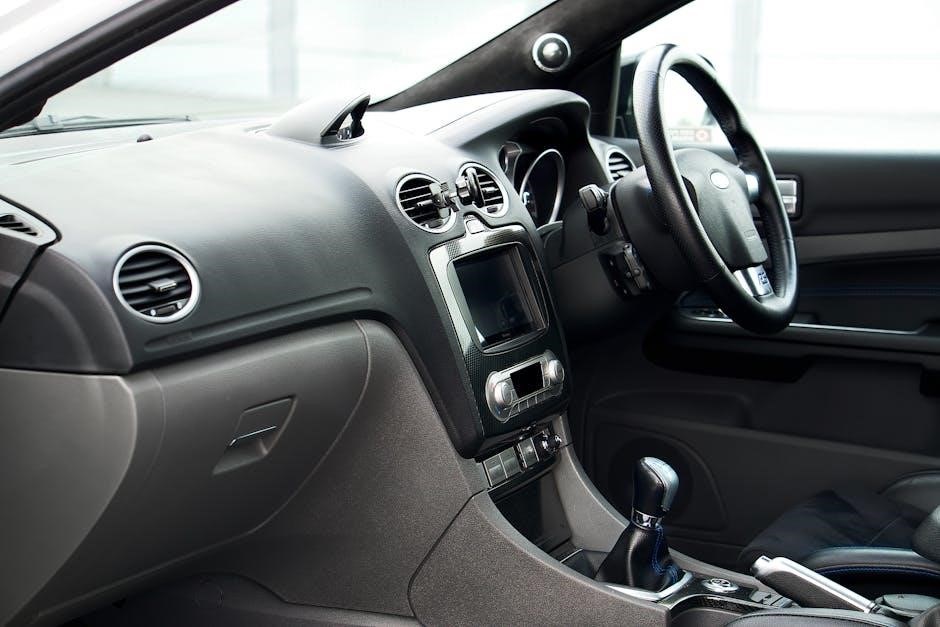
The 2018 Ford Fusion manual was specifically paired with a robust 6-speed manual transmission, designed to provide drivers with a more engaging and connected driving experience. This transmission featured a traditional shift pattern, offering precise gear changes and direct control over the engine’s power delivery.
The 6-speed configuration balanced performance and fuel efficiency, allowing for both spirited acceleration and comfortable highway cruising. Drivers could fully utilize the engine’s powerband through manual gear selection, optimizing performance for various driving conditions.
Proper operation, as detailed in the owner’s manual (JE5J 19A321 AB) and resources like owner.ford.com and ford.ca, is crucial for maximizing the transmission’s lifespan and ensuring smooth shifting. Regular maintenance, including fluid checks, is also essential for optimal performance.
Fuel Economy (MPG) ― Manual vs. Automatic
The 2018 Ford Fusion offered varying fuel economy figures depending on the chosen transmission. While official EPA estimates varied based on engine selection, the 6-speed manual transmission generally provided a slight advantage in fuel efficiency compared to the automatic counterpart.
This difference stemmed from the manual transmission’s direct mechanical connection to the engine, minimizing power loss and allowing for more efficient energy transfer. Drivers employing mindful shifting techniques could further enhance fuel economy.
However, real-world MPG figures depended heavily on individual driving habits, road conditions, and vehicle maintenance. The owner’s manual (JE5J 19A321 AB), along with resources like ford.ca and owner.ford.com, provided detailed fuel economy specifications for each engine and transmission combination, aiding owners in understanding their vehicle’s potential.
Operating the 2018 Ford Fusion Manual
Successfully operating your 2018 Fusion manual requires understanding proper starting, stopping, and shifting procedures, as detailed within the official owner’s manual.
Starting and Stopping Procedures
Initiating the 2018 Ford Fusion with a manual transmission demands a specific sequence for optimal performance and longevity. Ensure the parking brake is firmly engaged before attempting to start the engine. Depress the clutch pedal fully, then turn the ignition key to the ‘start’ position, releasing it once the engine ignites.
For a smooth start, gradually release the clutch while gently applying pressure to the accelerator. When coming to a stop, depress the clutch pedal fully before the vehicle’s speed drops too low to prevent stalling.
Always shift to neutral while stationary for extended periods, such as at traffic lights. When parking, engage the parking brake and shift into reverse or first gear, depending on the terrain. Refer to the owner’s manual for detailed illustrations and safety precautions regarding starting and stopping procedures, ensuring a safe and efficient driving experience.
Shifting Gears: Best Practices
Mastering gear changes in your 2018 Ford Fusion’s manual transmission is key to a responsive and enjoyable driving experience. Depress the clutch pedal fully before each shift, moving the gear lever smoothly and decisively into the desired gear. Coordinate the release of the clutch with gentle acceleration to avoid jerking or stalling.
Downshifting should be performed to match engine speed to road speed, preventing abrupt deceleration. Utilize engine braking by downshifting before corners or when slowing down. Avoid ‘grinding’ gears by ensuring the clutch is fully disengaged and the gear lever is in the correct position.
Practice smooth transitions between gears, listening for engine feedback to determine optimal shift points. Refer to the owner’s manual for specific guidance on shift patterns and techniques, maximizing fuel efficiency and minimizing wear on the transmission components.
Clutch Operation and Maintenance
The clutch in your 2018 Ford Fusion manual transmission is a vital component, requiring proper operation and regular maintenance. Always fully depress the clutch pedal when shifting gears to ensure smooth engagement and prevent wear. Avoid ‘riding’ the clutch, which involves partially depressing the pedal while driving, as this causes excessive heat and premature failure.
Inspect the clutch pedal for smooth operation and proper return. Periodically check the clutch fluid level (if applicable) and replenish as needed. Listen for unusual noises, such as squealing or grinding, which may indicate clutch wear or damage.
Scheduled maintenance, as outlined in the owner’s manual, should include clutch inspection and adjustment. Address any clutch-related issues promptly to prevent further damage and maintain optimal driving performance.

Maintenance & Repair (Manual Transmission Focus)
Regularly scheduled maintenance is crucial for the longevity of your 2018 Fusion’s manual transmission; fluid checks and replacements are essential components.
Scheduled Maintenance Intervals
Maintaining your 2018 Ford Fusion with a manual transmission requires adherence to a specific schedule to ensure optimal performance and longevity. At 5,000 miles or six months (whichever comes first), a basic service including oil and filter changes, tire rotations, and a comprehensive inspection of vital components is recommended.
By 15,000 miles, this service should be repeated, alongside a cabin air filter replacement. At the 30,000-mile mark, add an engine air filter replacement and a thorough inspection of the manual transmission fluid level.
Crucially, the manual transmission fluid itself should be replaced around 60,000 miles, or as dictated by driving conditions – more frequent changes are advised for aggressive driving. Brake fluid should also be flushed at this interval. Regular inspections of the clutch system are vital throughout ownership, looking for signs of wear or damage.
Following these intervals, as outlined in your owner’s manual, will help prevent costly repairs and keep your Fusion running smoothly for years to come.
Fluid Checks & Replacements (Transmission, Clutch)
Regularly checking and maintaining the fluids in your 2018 Ford Fusion’s manual transmission and clutch system is paramount for smooth operation. The manual transmission fluid level should be inspected periodically, ensuring it’s within the recommended range – typically using a dipstick.
Complete fluid replacement is crucial, generally around 60,000 miles, or sooner if the fluid appears dark or contaminated. Using the correct fluid type, specified in your owner’s manual, is essential.
The clutch hydraulic system also requires attention. Inspect the brake fluid reservoir, as this fluid operates the clutch. Low levels indicate a potential leak. Brake fluid should be flushed every two to three years to maintain its effectiveness.
While the clutch itself doesn’t have a fluid replacement interval, monitoring for signs of slippage or difficulty shifting can indicate a need for inspection and potential repair or replacement.
Common Manual Transmission Issues & Troubleshooting
Several issues can arise with the 2018 Ford Fusion’s manual transmission. Difficulty shifting, particularly into specific gears, is a common complaint, often stemming from low or contaminated transmission fluid, or a worn clutch. Grinding noises during gear changes suggest synchronizer wear, requiring professional attention.

Clutch slippage, indicated by engine revving without corresponding acceleration, points to a worn clutch disc. A sticky or unresponsive clutch pedal can indicate hydraulic issues or a faulty master/slave cylinder.
Troubleshooting begins with checking fluid levels and condition. If problems persist, avoid driving the vehicle and consult a qualified mechanic. Ignoring these symptoms can lead to more extensive and costly repairs.
Regular maintenance, as outlined in the owner’s manual, is the best preventative measure against these common transmission issues.

Safety Features & Systems
The 2018 Fusion incorporates vital safety systems, including ABS, an advanced airbag system, and stability control, enhancing driver and passenger protection during operation.
Anti-Lock Braking System (ABS)
The 2018 Ford Fusion’s Anti-Lock Braking System (ABS) is a crucial safety component designed to prevent wheel lockup during braking, especially in emergency situations or on slippery surfaces. This system allows the driver to maintain steering control while applying firm braking pressure, significantly reducing stopping distances and enhancing vehicle stability.
When the ABS activates, you may feel a pulsating sensation in the brake pedal and hear a clicking noise – this is normal operation and indicates the system is working correctly. It’s important not to pump the brakes when ABS is engaged; instead, apply firm and continuous pressure. The system automatically modulates brake pressure to each wheel individually, optimizing braking performance.
Regularly check your brake fluid levels, as proper fluid levels are essential for optimal ABS function. Any warning lights related to the ABS system on the instrument cluster should be investigated immediately by a qualified technician. Maintaining the ABS ensures a safer driving experience for you and your passengers.
Airbag System Details
The 2018 Ford Fusion is equipped with an advanced airbag system designed to provide crucial occupant protection during a collision. This system includes front airbags for both driver and passenger, as well as side-impact airbags mounted in the seats to protect the torso and head in side collisions.
Additionally, the Fusion features curtain airbags that deploy from the roofline to offer head protection for occupants in both front and rear seats during side impacts or rollovers. The system utilizes sensors strategically placed throughout the vehicle to detect the severity and type of impact, determining which airbags to deploy.
Important safety notes: Always wear seatbelts, as airbags are designed to work in conjunction with them. Never place rear-facing child seats in the front passenger seat if an active airbag is present. Regularly inspect the airbag system for any warning lights, and have any issues addressed by a certified technician to ensure optimal functionality.
Stability Control System
The 2018 Ford Fusion incorporates a sophisticated Stability Control System (often referred to as ESC or Electronic Stability Control) designed to enhance vehicle control during challenging driving conditions. This system continuously monitors the vehicle’s direction and compares it to the driver’s intended path, utilizing sensors to detect potential skids or loss of control.
When a discrepancy is detected, the Stability Control System selectively applies braking force to individual wheels, helping to steer the vehicle back onto the driver’s intended course. It works in conjunction with the Anti-lock Braking System (ABS) and Traction Control System to maximize stability.
Important considerations: While the Stability Control System is a valuable safety feature, it’s not a substitute for safe driving practices. Maintain a safe speed, especially in adverse weather, and always be aware of road conditions. The system’s indicator light will illuminate when activated, signaling its intervention;

Interior Features & Technology
The 2018 Fusion boasts SYNC 3 infotainment, intuitive climate controls, and comfortable seating; owners can find detailed operation instructions within the comprehensive manual.
Infotainment System (SYNC 3)
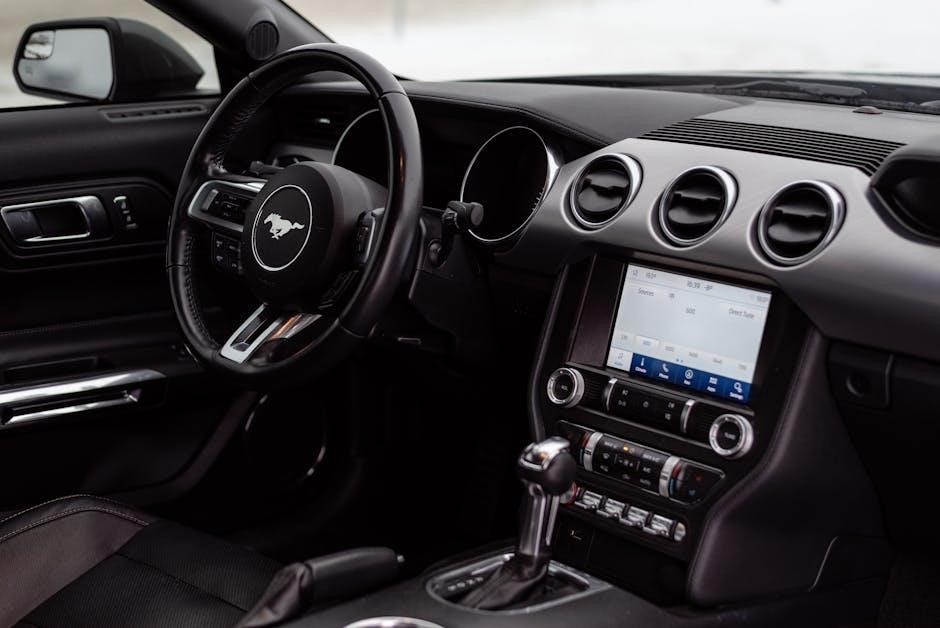
The 2018 Ford Fusion’s SYNC 3 infotainment system is a central hub for connectivity and control. The owner’s manual provides a detailed walkthrough of its features, starting with the touchscreen interface. Users can navigate through audio, climate, and vehicle settings with ease. The manual explains how to pair smartphones via Bluetooth for hands-free calling and audio streaming.
SYNC 3 also supports Apple CarPlay and Android Auto, allowing seamless integration of smartphone apps directly onto the vehicle’s display. The manual details troubleshooting steps for connection issues and provides guidance on voice command functionality. Navigation system operation, including map updates and destination entry, is thoroughly covered. Furthermore, the manual explains how to customize the system’s settings to personalize the driving experience, including display brightness and sound preferences. Understanding these features, as outlined in the manual, enhances the overall usability and enjoyment of the SYNC 3 system.
Climate Control Operation
The 2018 Ford Fusion’s climate control system, detailed in the owner’s manual, offers both manual and automatic operation modes. The manual explains how to adjust temperature, fan speed, and airflow direction for personalized comfort. Automatic mode maintains a set temperature, adjusting fan speed and airflow as needed. Understanding the dual-zone climate control, if equipped, allows drivers and passengers to set independent temperatures.
The manual also covers the operation of the defrost and defog functions, crucial for clear visibility in varying weather conditions. It details how to activate the air conditioning system and provides guidance on air recirculation mode for improved air quality. Troubleshooting tips are included for common issues, such as insufficient airflow or inconsistent temperatures. Proper use of the climate control system, as described in the manual, ensures a comfortable and safe driving environment for both the driver and passengers throughout the year;
Seating & Comfort Adjustments
The 2018 Ford Fusion owner’s manual provides comprehensive instructions on adjusting both front and rear seating positions for optimal comfort and support. It details the manual adjustments for seat height, tilt, and lumbar support, ensuring a personalized driving experience. Power-adjustable seats, if equipped, are also covered, explaining the operation of the controls for various adjustments.
The manual further explains how to adjust the head restraints for proper neck support, minimizing the risk of injury in the event of a collision. It also covers the operation of any available heated or cooled seat features, enhancing comfort in extreme temperatures. Information on adjusting the steering wheel position – both tilt and telescopic – is included to ensure optimal driver control. Understanding these adjustments, as outlined in the manual, is crucial for maximizing comfort and maintaining proper driving posture during all journeys.